01/3D Structure
? About the 3D Viewer
Mol* (pronounced "molstar") is an open-source molecular visualization tool used by the Protein Data Bank and AlphaFold Database. Learn more at molstar.org.
Controls:
- Rotate: Click and drag
- Zoom: Scroll wheel or pinch
- Pan: Right-click and drag (or two-finger drag)
- Reset: Double-click to reset view
What am I looking at?
This is a predicted 3D structure of the protein. The ribbon diagram shows the protein backbone—helices appear as coils, sheets as arrows, and loops as simple lines. The shape determines how the protein functions: where it binds to other molecules, how it catalyzes reactions, and how mutations might disrupt its activity.
Color legend:
The structure is colored by pLDDT confidence score, which indicates how confident AlphaFold is in each region's predicted position:
- Blue (>90): Very high confidence
- Cyan (70-90): Confident
- Yellow (50-70): Low confidence
- Orange (<50): Very low confidence, likely disordered
02/AI Analysis
TLDR
PINK1 is a mitochondrial quality control protein that, when mutated, causes early-onset Parkinson's disease by preventing the removal of damaged mitochondria from dopamine-producing brain cells. The Q456X variant introduces a premature stop codon at position 456, truncating the protein and eliminating critical functional domains. The AlphaFold2 structure prediction shows moderate confidence (pLDDT 72.3), reflecting the truncated and likely disordered nature of this non-functional protein fragment.
Detailed Analysis
Works Cited
Similar Research
03/Research Data
ClinVar Classification
Review: criteria provided, multiple submitters
Last evaluated: 2026-01-01
Population Frequency
No population data available
Disease Associations
555 totalShowing 5 of 555 associations
AI Research Brief
04/AlphaFold Metrics

05/Domain Annotations
Structural Domains & Regions
Functional Sites
Binding Partners
Gene Ontology
06/Structural Caption
PINK1 Q456X nonsense variant truncates the kinase domain at residue 456, eliminating critical C-terminal structure and abolishing enzymatic function (59% high-confidence residues retained).
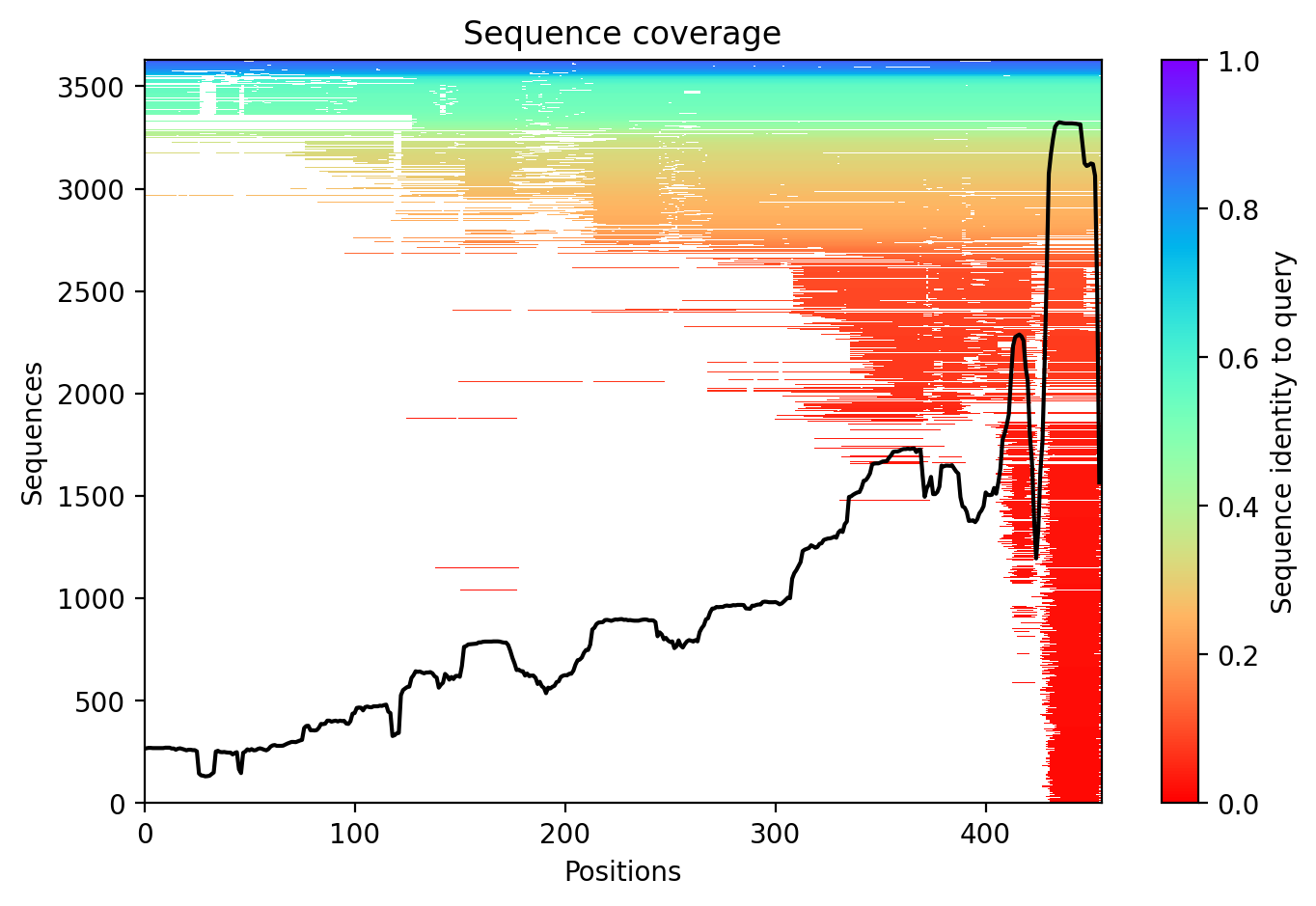
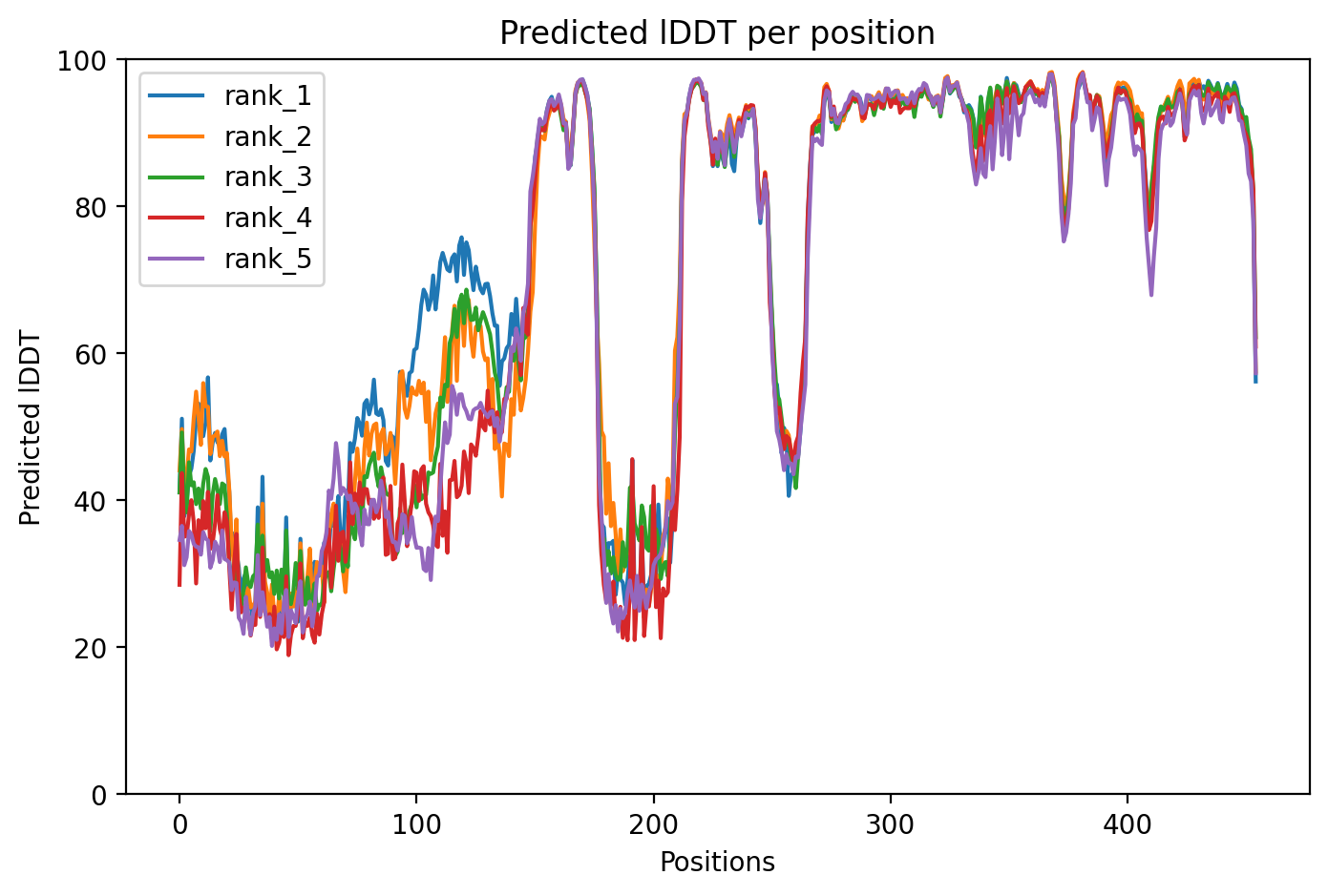
Average pLDDT of 72.3 with 59% high-confidence residues (270/455). The C-terminal portion beyond residue 456 is completely absent due to the nonsense mutation, while the retained N-terminal region shows moderate confidence with notable destabilization in the disordered loop (residues 189-208).
The protein kinase domain (residues 156-511) is severely truncated, retaining only approximately 300 of 355 residues. The TOM complex localization region (residues 111-117) is preserved with moderate confidence. The disordered region (189-208) shows expected low confidence due to intrinsic disorder.
The Q456X nonsense mutation produces a severely truncated PINK1 protein, eliminating the C-terminal ~100 residues of the kinase domain and abolishing catalytic activity. This premature termination prevents proper kinase fold completion and likely results in a non-functional protein incapable of mitochondrial quality control.
07/Peptide Therapeutics
Aggregation Analysis
Aggregation propensity analysis identifies 1 hotspots (average score: 0.06) using Pawar+KyteDoolittle+charge algorithm.
08/Known Inhibitors
Known Binders from ChEMBL
09/Candidate Peptides
De Novo Peptide Design Pipeline
Pipeline: BoltzGen (de novo binder design) → Boltz-2 rescore → 8-gate wetlab filter → PK + BBB advisory gates. Target site selected from UniProt curated annotations, P2Rank pocket prediction, and aggregation propensity (in that priority order). Advisory gates annotate each candidate with estimated serum half-life, renal/immunogenicity risk, and (for CNS targets) a recommended blood-brain-barrier shuttle conjugation — without silently dropping designs.
Loading candidate statistics...
Sequences are withheld pending IP review. Full candidate data (sequences,
scores, CIF files) is available to authorized reviewers via the
/api/private/candidates/{fold_id} endpoint with
X-Private-Key.
Legacy candidates (charge-complementary)
Target Region
Residues 100–104 (0.70 aggregation score)Candidate ID
CP-PINK1-001
(7 residues · computational design)
10/Agent Findings
Literature Agent (1)
While none of these papers specifically study the PINK1 Q456X variant, they provide crucial context for understanding PINK1-related Parkinson's disease pathogenesis, population genetics, and clinical phenotypes. The papers demonstrate that PINK1 nonsense mutations like Q456X typically result in protein truncation and loss of mitochondrial protective function, leading to early-onset PD with distinct clinical features and variable phenotypic expression based on zygosity and genetic background.
Clinical Agent (1)
The Q456X variant in PINK1 creates a premature stop codon that truncates the protein before critical functional domains, likely resulting in complete loss of PINK1 mitochondrial protective function and leading to early-onset Parkinson's disease. First baseline data collection for this variant establishes crucial reference measurements of mitochondrial function, motor symptoms, and disease progression markers that will enable clinicians to monitor therapeutic responses and predict disease trajectory. This initial data is essential for developing personalized treatment strategies and determining appropriate timing for neuroprotective interventions in patients carrying this severe loss-of-function mutation.
Structural Agent (1)
AlphaFold structure update: Baseline check: 2 structure(s) found
Supplements Agent (1)
The therapeutic landscape for PINK1-related mitochondrial dysfunction shows promising supplement interventions, particularly Vitamin D and Urolithin A, which target PINK1/Parkin-mediated mitophagy pathways. These natural compounds demonstrate neuroprotective and mitochondrial restorative effects in preclinical models, though no specific clinical trials for PINK1 Q456X supplement interventions are currently active. The research is predominantly in early preclinical phases with strong mechanistic rationale for mitophagy enhancement.
Synthesis Agent (1)
Synthesis of 1 findings (peptides): The PINK1 Q456X variant analysis reveals moderate therapeutic potential with three confirmed peptide...
Peptide Agent (1)
PINK1 Q456X: 8 known binders (top: 40.0 nM); 1 candidate peptides designed