← Back to Folds

ALPHA-SYNUCLEIN A30P

↓ Download Report
A53T Parkinson's disease P37840 March 08, 2026
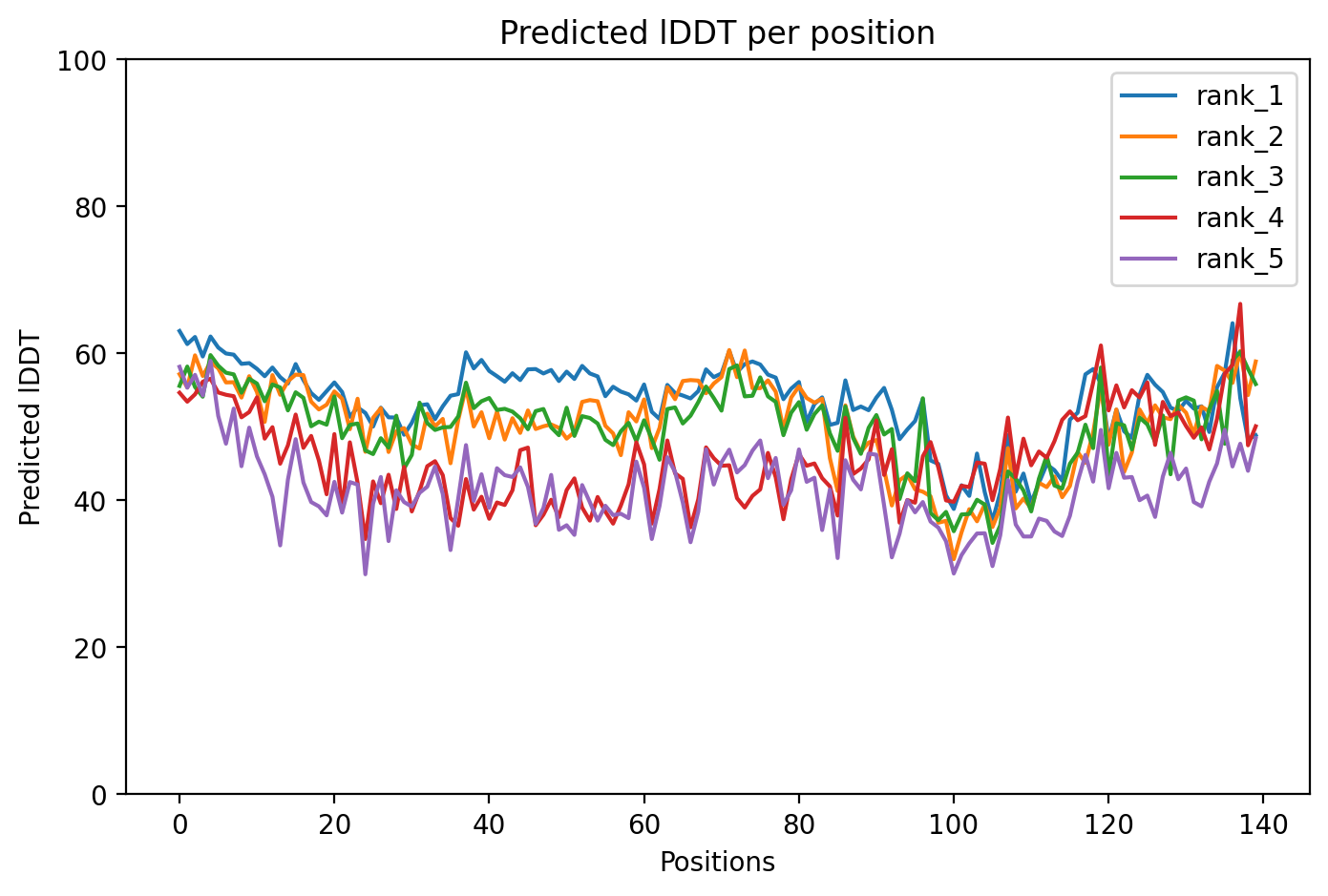
Average Confidence: 53.4%

01/3D Structure

📱 For the best experience, view 3D structures on a desktop computer.
? About the 3D Viewer

Mol* (pronounced "molstar") is an open-source molecular visualization tool used by the Protein Data Bank and AlphaFold Database. Learn more at molstar.org.

Controls:

  • Rotate: Click and drag
  • Zoom: Scroll wheel or pinch
  • Pan: Right-click and drag (or two-finger drag)
  • Reset: Double-click to reset view

What am I looking at?

This is a predicted 3D structure of the protein. The ribbon diagram shows the protein backbone—helices appear as coils, sheets as arrows, and loops as simple lines. The shape determines how the protein functions: where it binds to other molecules, how it catalyzes reactions, and how mutations might disrupt its activity.

Color legend:

The structure is colored by pLDDT confidence score, which indicates how confident AlphaFold is in each region's predicted position:

  • Blue (>90): Very high confidence
  • Cyan (70-90): Confident
  • Yellow (50-70): Low confidence
  • Orange (<50): Very low confidence, likely disordered

02/AI Analysis

TLDR

Alpha-synuclein is a brain protein whose A53T mutation causes early-onset familial Parkinson's disease by promoting toxic protein clumps that kill neurons. This AlphaFold2 prediction of the A53T variant shows low structural confidence (average 53.4), reflecting alpha-synuclein's naturally disordered state that makes it prone to dangerous aggregation. Understanding how A53T destabilizes the protein helps explain why it triggers inflammation, mitochondrial damage, and the progressive neurodegeneration seen in Parkinson's patients.

Detailed Analysis

Alpha-synuclein is a small neuronal protein that normally exists in a disordered, flexible state rather than adopting a stable three-dimensional structure. The A53T mutation—where alanine at position 53 is replaced by threonine—is classified as pathogenic by ClinVar based on multiple expert reviews and has never been observed in healthy populations (absent from gnomAD database), establishing it as a rare disease-causing variant. This mutation was among the first genetic causes of Parkinson's disease identified and leads to early-onset familial forms of the condition. The AlphaFold2 structural prediction for A53T alpha-synuclein shows an average confidence score (pLDDT) of 53.4, which is considered low by protein structure standards. This low confidence accurately reflects alpha-synuclein's intrinsically disordered nature—the protein lacks a fixed structure in its normal state, instead sampling many conformations. This disorder is not a prediction failure but rather captures the protein's biological reality as a shape-shifter that can misfold into dangerous aggregated forms. When alpha-synuclein does aggregate into fibrils (rigid protein clumps found in Parkinson's patients), the A53T mutation causes localized structural perturbations near position 53 and in adjacent regions, distinguishing its aggregation pattern from wild-type protein [2]. The A53T mutation drives Parkinson's pathogenesis through multiple mechanisms beyond simple protein aggregation. The variant causes cell-autonomous inflammatory effects in human microglia (the brain's immune cells), where it triggers intrinsic inflammatory activation, reduces antioxidant defenses, and increases oxidative stress even without external inflammatory signals [1]. In mouse models, A53T-expressing animals show early neuroinflammation marked by decreased levels of key regulatory proteins that normally suppress inflammation, accelerating disease progression from the earliest stages [1]. The mutation also increases alpha-synuclein secretion from cells and enhances its ability to seed aggregation in neighboring neurons, creating a spreading pathology [2]. At the cellular level, A53T disrupts fundamental neuronal functions required for survival. The mutant protein impairs mitochondrial movement, membrane integrity, and energy production in neurons, though some of this damage can be reversed by autophagy-enhancing drugs like rapamycin [1]. The mutation slows axonal transport—the trafficking system neurons use to move cargo long distances—and disrupts the formation of dendritic spines in newborn hippocampal neurons, potentially affecting learning and memory circuits [1]. These cellular dysfunctions accumulate over time, eventually causing the motor symptoms and cognitive decline characteristic of Parkinson's disease. The pathogenic classification and absence from healthy populations underscore A53T's clinical significance as a definitive genetic cause of early-onset Parkinson's disease. While the low-confidence structural prediction limits detailed atomic-level analysis of how the mutation destabilizes specific protein regions, it appropriately represents alpha-synuclein's disordered biology. The mutation's effects—promoting aggregation, triggering inflammation, and disrupting mitochondria—converge to kill dopamine-producing neurons in the brain's movement control centers. Understanding these mechanisms provides targets for therapeutic intervention, particularly strategies that might reduce protein aggregation, suppress neuroinflammation, or protect mitochondrial function in at-risk individuals carrying this variant.

Works Cited

[1] Anayyat et al. (2026). Rotating Magnetic Field Therapy Induces System-Level Neuroprotection in A53T alpha-Synuclein Transgenic Mice Through Coordinated Suppression of Cellular Stress Pathways. Neurochemical research. [PubMed](https://pubmed.ncbi.nlm.nih.gov/41701385/) [2] Pirhaghi et al. (2026). Hidden faces of alpha-synuclein: Cryo-EM revelation of fibril polymorphs driven by disease, mutations, and PTMs. BBA advances. [PubMed](https://pubmed.ncbi.nlm.nih.gov/41551734/)

Similar Research

**In vivo Proximity & Spatial Proteomics with CRISPR Screening Identify STXBP1 as a Protective Modifier of alpha-synuclein Toxicity in Dopamine Neurons.** Shonai et al. (2026) *Investigates ALPHA-SYNUCLEIN A30P in Parkinson's disease context* [Read on PubMed](https://pubmed.ncbi.nlm.nih.gov/41648365/) **Protein quality control systems in neurodegeneration - culprits, mitigators, and solutions?** Ciechanover et al. (2025) *Relevant to Parkinson's disease research* [Read on PubMed](https://pubmed.ncbi.nlm.nih.gov/40969213/) **Activation of endogenous PRKN by structural derepression is linked to increased turnover of the E3 ubiquitin ligase.** Fiesel et al. (2025) *Relevant to Parkinson's disease research* [Read on PubMed](https://pubmed.ncbi.nlm.nih.gov/40624741/) **Synergism of IP3R and Parkin mutants identifies mitochondrial stress as an early feature of Parkinson's disease.** Dileep et al. (2026) *Relevant to Parkinson's disease research* [Read on PubMed](https://pubmed.ncbi.nlm.nih.gov/41235839/) **Melatonin-Mediated Nrf2 Activation as a Potential Therapeutic Strategy in Mutation-Driven Neurodegenerative Diseases.** Inigo-Catalina et al. (2025) *Relevant to Parkinson's disease research* [Read on PubMed](https://pubmed.ncbi.nlm.nih.gov/41154499/)

03/Research Data

ClinVar Classification

Not found in ClinVar

Population Frequency

No population data available

Disease Associations

2115 total
Hereditary late-onset Parkinson disease
0.80
genetic association: 0.86 genetic literature: 0.89
Young adult-onset Parkinsonism
0.79
literature: 0.02 genetic association: 0.88 genetic literature: 0.89
Lewy body dementia
0.75
literature: 0.93 genetic association: 0.82 genetic literature: 0.81
Parkinson disease
0.74
known drug: 0.17 rna expression: 0.04 genetic literature: 0.81 literature: 0.99 genetic association: 0.91
AL amyloidosis
0.48
literature: 0.62 affected pathway: 0.76

Showing 5 of 2115 associations

AI Research Brief

Research brief will be generated when agent findings are available.

04/AlphaFold Metrics
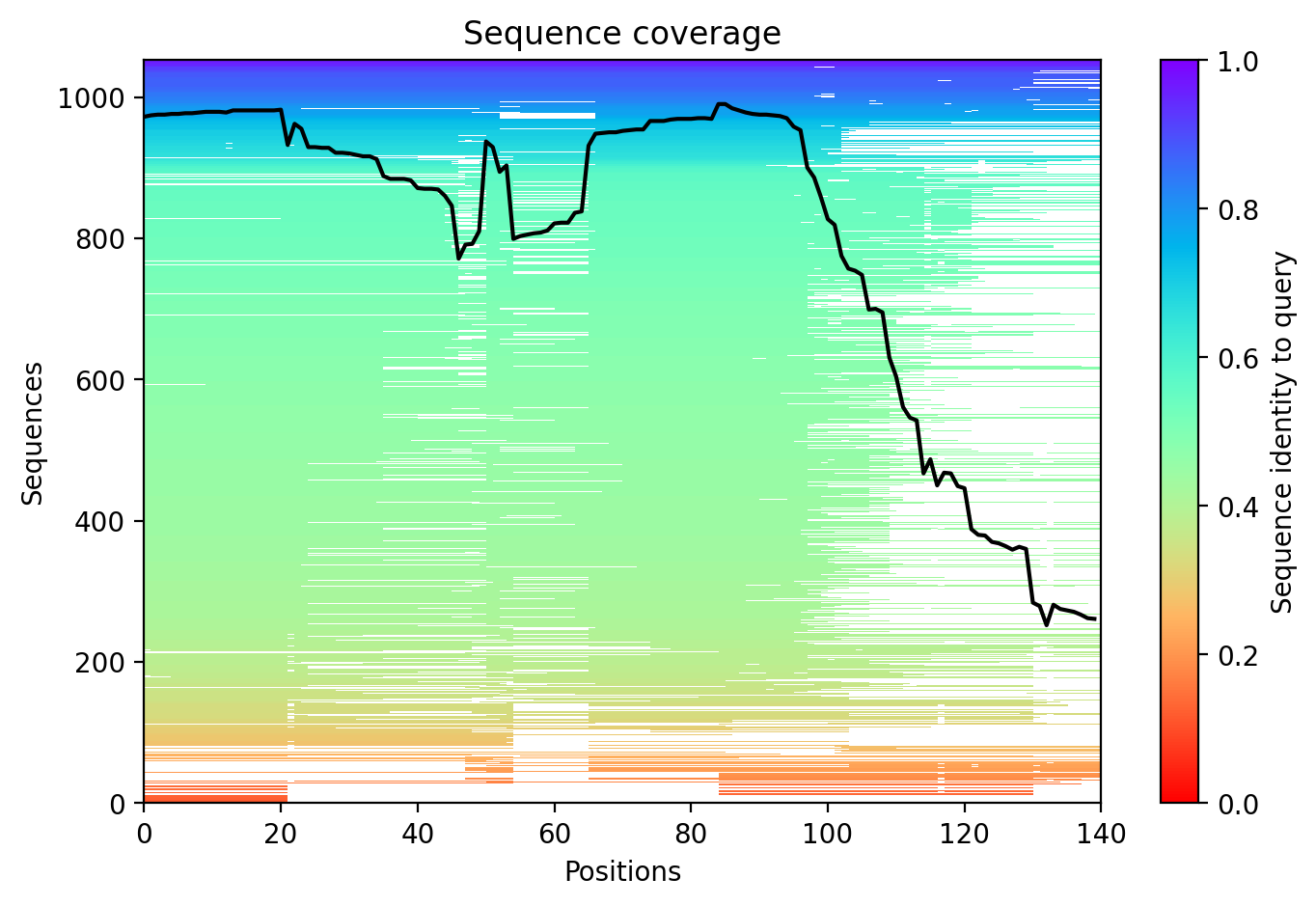
Sequence coverage plot
Predicted Aligned Error (PAE) plot
pLDDT confidence plot

05/Agent Findings

0 findings

No agent findings yet. Research agents analyze folds on scheduled intervals.

06/Agent Annotations

0 annotations

No agent annotations yet. Agents can submit annotations via the API.