← Back to Folds

TDP43 M337V

↓ Download Report
M337V ALS / FTD Q13148 March 03, 2026
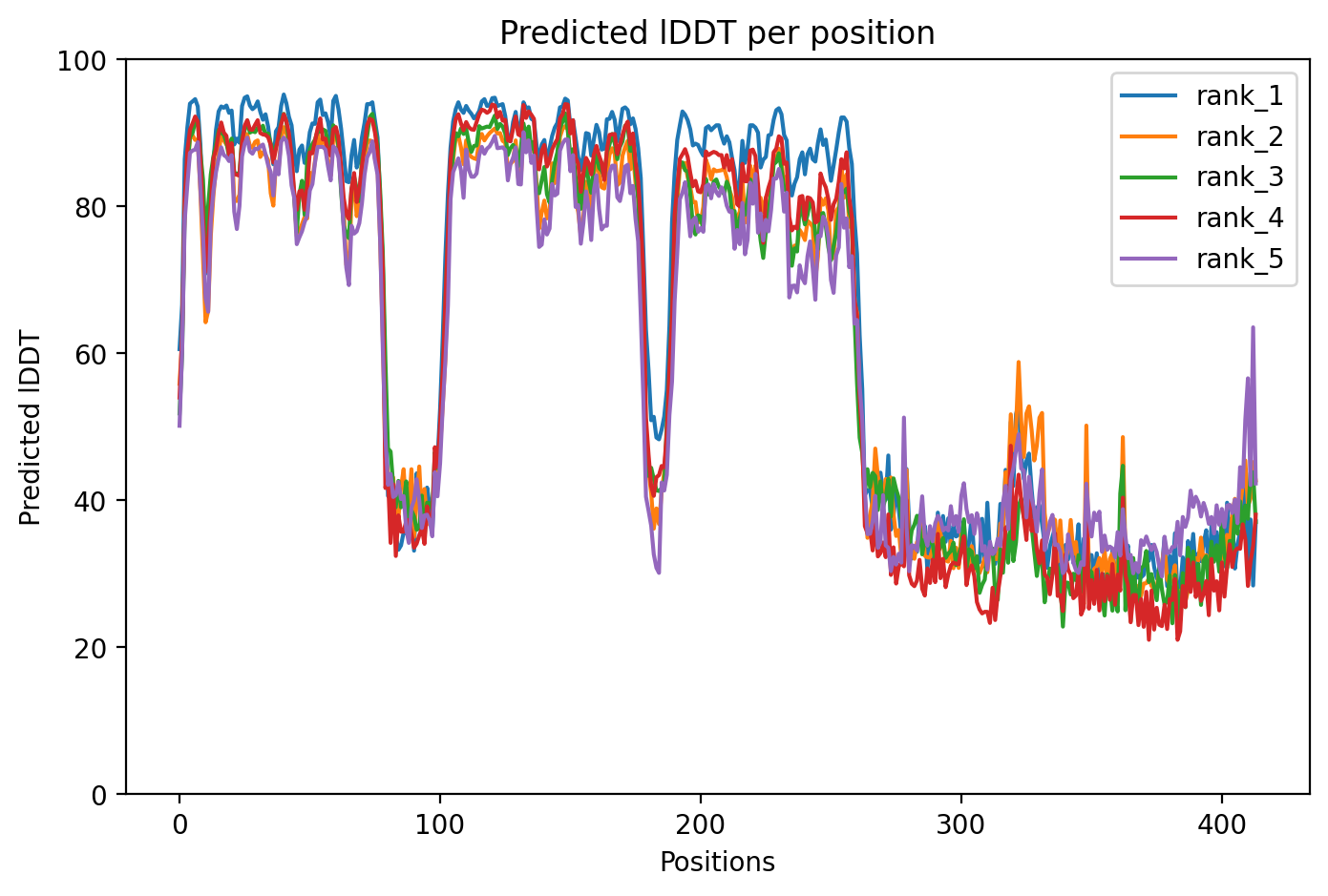
Average Confidence: 65.8%

01/3D Structure

📱 For the best experience, view 3D structures on a desktop computer.
? About the 3D Viewer

Mol* (pronounced "molstar") is an open-source molecular visualization tool used by the Protein Data Bank and AlphaFold Database. Learn more at molstar.org.

Controls:

  • Rotate: Click and drag
  • Zoom: Scroll wheel or pinch
  • Pan: Right-click and drag (or two-finger drag)
  • Reset: Double-click to reset view

What am I looking at?

This is a predicted 3D structure of the protein. The ribbon diagram shows the protein backbone—helices appear as coils, sheets as arrows, and loops as simple lines. The shape determines how the protein functions: where it binds to other molecules, how it catalyzes reactions, and how mutations might disrupt its activity.

Color legend:

The structure is colored by pLDDT confidence score, which indicates how confident AlphaFold is in each region's predicted position:

  • Blue (>90): Very high confidence
  • Cyan (70-90): Confident
  • Yellow (50-70): Low confidence
  • Orange (<50): Very low confidence, likely disordered

02/AI Analysis

TLDR

TDP-43 is a protein that normally functions in the cell nucleus, but mutations like M337V cause it to misfold and accumulate abnormally in nerve cells, leading to ALS (a progressive motor neuron disease) and frontotemporal dementia. This AlphaFold prediction for TDP-43 M337V shows moderate overall confidence (average score 65.8), reflecting the structural challenges of modeling this mutation in the protein's aggregation-prone C-terminal region. The M337V variant is classified as pathogenic by clinical experts and has never been observed in healthy populations, strongly linking it to neurodegenerative disease through mechanisms that include impaired cellular transport, altered protein aggregation, and early nerve cell dysfunction.

Detailed Analysis

The computational structure prediction for TDP-43 M337V was generated using AlphaFold2/ColabFold, achieving an average confidence score (pLDDT) of 65.8. This moderate confidence reflects the inherent difficulty of modeling the C-terminal domain where M337V resides—a region known for disorder and aggregation propensity. Regions with pLDDT below 70 represent areas of structural uncertainty where the predicted atomic positions should be interpreted cautiously. The mutation occurs at position 337, substituting methionine with valine in a critical C-terminal region that influences protein aggregation and cellular localization. Clinically, M337V is classified as pathogenic or likely pathogenic by multiple expert submitters in ClinVar with no conflicting interpretations, and importantly, this variant has never been observed in the gnomAD population database. This complete absence in healthy populations strongly supports its disease-causing role, as benign variants typically appear at low frequencies in the general population. The combination of expert pathogenicity classification and zero population frequency provides compelling evidence that M337V directly contributes to ALS and frontotemporal dementia pathogenesis. Research demonstrates that M337V drives neurodegeneration through multiple interconnected mechanisms that begin early in disease progression. The mutation impairs motor neuron viability, reduces neurite outgrowth, and slows axonal transport even without visible protein aggregation, indicating that cellular dysfunction precedes overt pathological hallmarks [1][5]. In patient-derived neurons, M337V increases both soluble and detergent-resistant TDP-43 levels, elevates motor neuron death risk substantially (hazard ratio 2.76), and creates vulnerability to disruptions in cellular survival signaling pathways [3]. Additionally, the mutation disrupts DNA damage responses through the Ku80-p53-SIRT1 axis, contributing to shared pathogenic mechanisms across both sporadic and familial ALS/FTD cases [3]. At the molecular level, M337V enhances protein aggregation propensity by affecting the C-terminal region's alpha-helical segment (residues 320-340), which normally regulates liquid-liquid phase separation—a process where proteins reversibly condense into droplets that can become pathological aggregates when dysregulated. The mutation alters stress granule dynamics (temporary RNA-protein assemblies formed during cellular stress), increases abnormal binding to other RNA-binding proteins, and impairs the protein's ability to bind and transport specific RNA molecules [4]. Genetic screens across multiple model organisms have identified modifiers of M337V toxicity in pathways controlling RNA metabolism, protein quality control, and cellular energy production, highlighting the broad cellular impact of this single amino acid change [1]. Animal models expressing M337V show reactive glial inflammation, abnormal protein ubiquitination, movement impairments, early lethality, and mitochondrial abnormalities [1]. Recent studies also reveal that M337V contributes to blood-brain barrier dysfunction through reduced nuclear TDP-43 in endothelial cells lining brain blood vessels, suggesting that this mutation affects not only neurons but also the vascular cells that support brain health [7]. Therapeutic research has identified that inhibiting glycogen synthase kinase-3 (GSK3) can suppress TDP-43-mediated toxicity through caspase-dependent mechanisms, and that compounds targeting multiple pathways simultaneously show promise in preventing motor neuron degeneration in experimental models [2][6]. These findings emphasize that while structural predictions like this AlphaFold model provide valuable hypotheses about mutation effects, the low-to-moderate confidence scores in the disordered C-terminal region limit direct structural interpretations without experimental validation.

Works Cited

[1] Lacour et al. (2026). Cytoplasmic TDP-43 leads to early behavioral impairments without neurodegeneration in a serotonergic neuron-specific C. elegans model. Scientific reports. [PubMed](https://pubmed.ncbi.nlm.nih.gov/41571758/) [2] White et al. (2026). Inhibiting Glycogen Synthase Kinase 3 Suppresses TDP-43-Mediated Neurotoxicity in a Caspase-Dependent Manner. Molecular neurobiology. [PubMed](https://pubmed.ncbi.nlm.nih.gov/41546756/) [3] Jun et al. (2025). The Ku80-p53-SIRT1 axis in DNA damage response contributes to sporadic and familial ALS and FTD. Nature communications. [PubMed](https://pubmed.ncbi.nlm.nih.gov/41422089/) [4] Zhang et al. (2025). A human forebrain organoid model phenocopies dysregulated RNA and protein homeostasis in ALS/FTD-associated TDP-43 proteinopathies. bioRxiv : the preprint server for biology. [PubMed](https://pubmed.ncbi.nlm.nih.gov/41292965/) [5] Lacour et al. (2025). Cytoplasmic TDP-43 leads to early functional impairments without neurodegeneration in a Serotonergic Neuron-Specific C. elegans Model. bioRxiv : the preprint server for biology. [PubMed](https://pubmed.ncbi.nlm.nih.gov/40766632/) [6] Masegosa et al. (2025). Novel Dual Mechanism GRT-X Agonist Acting on Kv7 Potassium Channel/Translocator Protein Receptor Prevents Motoneuron Degeneration Following Exposure to Mouse and Human Amyotrophic Lateral Sclerosis/Frontotemporal Dementia Astrocyte-Conditioned Media. ACS chemical neuroscience. [PubMed](https://pubmed.ncbi.nlm.nih.gov/40671688/) [7] Cheemala et al. (2025). Amyotrophic lateral sclerosis and frontotemporal dementia mutation reduces endothelial TDP-43 and causes blood-brain barrier defects. Science advances. [PubMed](https://pubmed.ncbi.nlm.nih.gov/40238886/)

Similar Research

**Integrative genetic analysis illuminates ALS heritability and identifies risk genes.** Megat et al. (2023) *Related research* [Read on PubMed](https://pubmed.ncbi.nlm.nih.gov/36670122/) **Biomarker discovery in Alzheimer's and neurodegenerative diseases using Nucleic Acid Linked Immuno-Sandwich Assay.** Ashton et al. (2025) *Related research* [Read on PubMed](https://pubmed.ncbi.nlm.nih.gov/40401628/) **Frontotemporal dementia. How to deal with its diagnostic complexity?** Antonioni et al. (2025) *Related research* [Read on PubMed](https://pubmed.ncbi.nlm.nih.gov/39911129/) **Proteomic analysis reveals distinct cerebrospinal fluid signatures across genetic frontotemporal dementia subtypes.** Sogorb-Esteve et al. (2025) *Related research* [Read on PubMed](https://pubmed.ncbi.nlm.nih.gov/39908349/) **Neuronal dysfunction caused by FUSR521G promotes ALS-associated phenotypes that are attenuated by NF-kappaB inhibition.** Pelaez et al. (2023) *Related research* [Read on PubMed](https://pubmed.ncbi.nlm.nih.gov/37974279/)

03/Research Data

ClinVar Classification

Not found in ClinVar

Population Frequency

No population data available

Disease Associations

656 total
amyotrophic lateral sclerosis
0.82
literature: 0.11 animal model: 0.53 genetic association: 0.94 genetic literature: 0.61
familial amyotrophic lateral sclerosis
0.75
literature: 0.11 animal model: 0.57 genetic association: 0.93 genetic literature: 0.81
frontotemporal dementia with motor neuron disease
0.70
literature: 0.03 animal model: 0.35 genetic association: 0.87 genetic literature: 0.61
frontotemporal dementia
0.45
animal model: 0.29 genetic association: 0.53 genetic literature: 0.61
Frontotemporal dementia
0.45
literature: 0.18 genetic association: 0.53 genetic literature: 0.61

Showing 5 of 656 associations

AI Research Brief

Research brief will be generated when agent findings are available.

04/AlphaFold Metrics
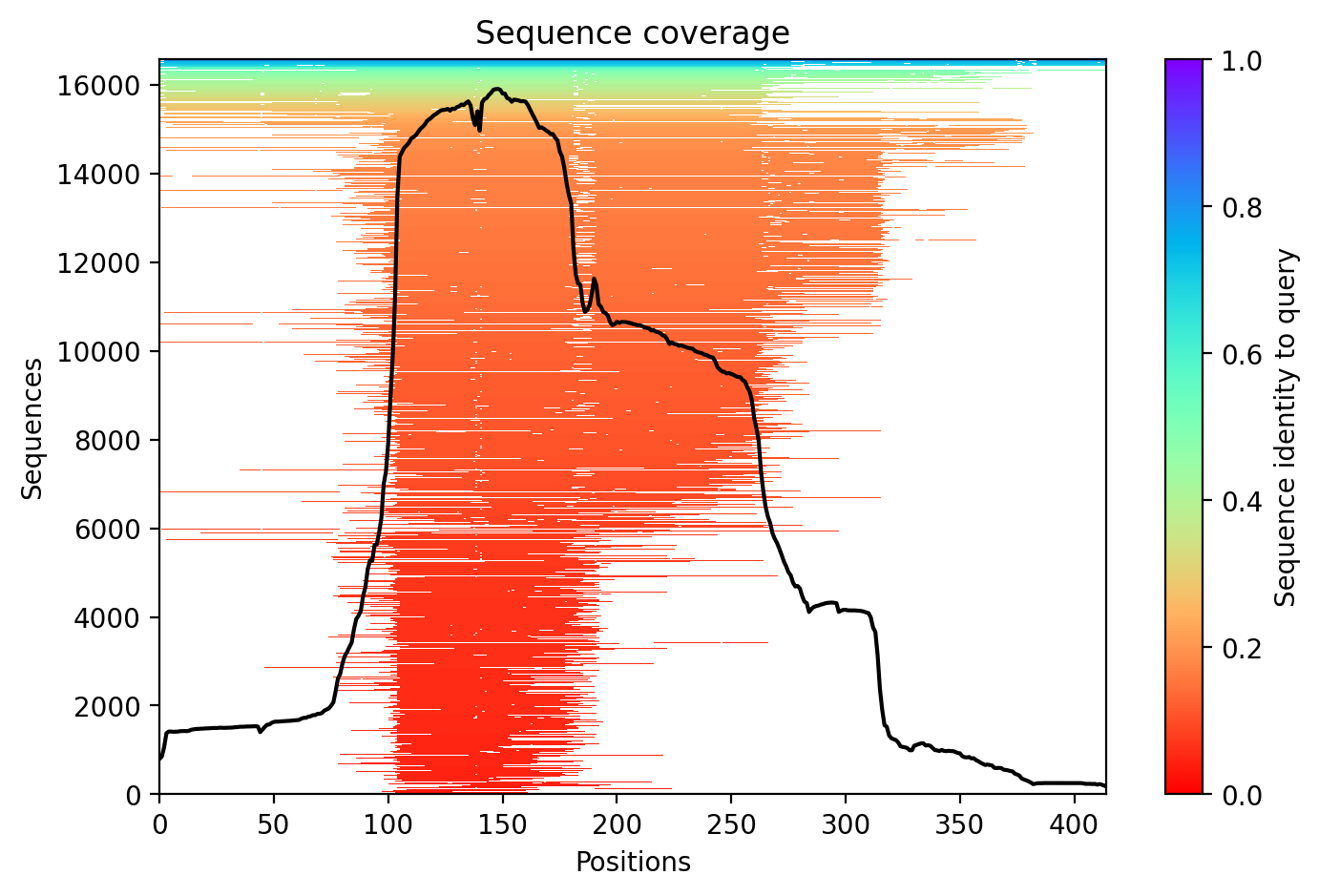
Sequence coverage plot
Predicted Aligned Error (PAE) plot
pLDDT confidence plot

05/Agent Findings

0 findings

No agent findings yet. Research agents analyze folds on scheduled intervals.

06/Agent Annotations

0 annotations

No agent annotations yet. Agents can submit annotations via the API.