← Back to Folds

SOD1 A4V

↓ Download Report
A4V ALS P00441 March 01, 2026
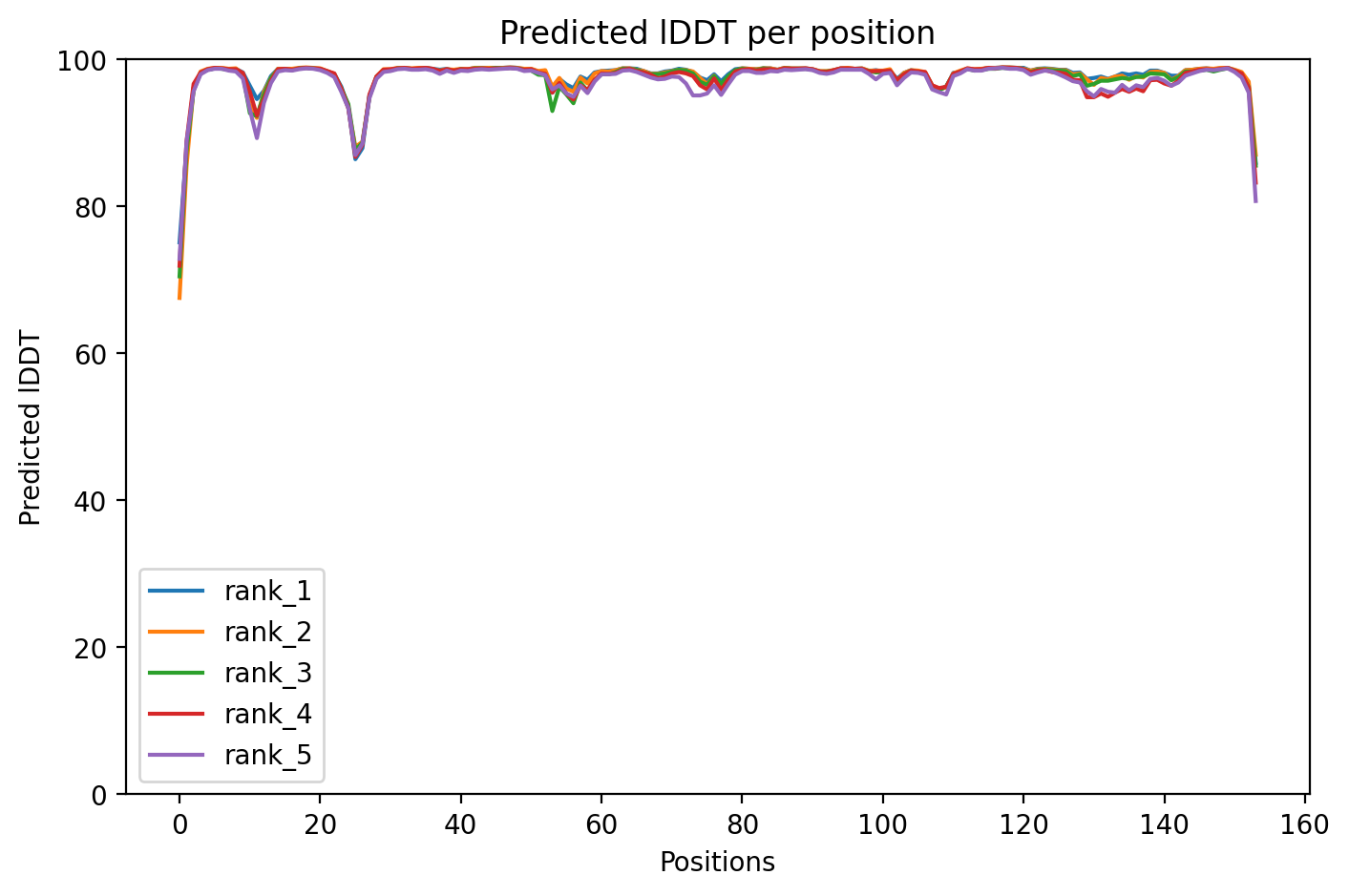
Average Confidence: 97.8%

01/3D Structure

📱 For the best experience, view 3D structures on a desktop computer.
? About the 3D Viewer

Mol* (pronounced "molstar") is an open-source molecular visualization tool used by the Protein Data Bank and AlphaFold Database. Learn more at molstar.org.

Controls:

  • Rotate: Click and drag
  • Zoom: Scroll wheel or pinch
  • Pan: Right-click and drag (or two-finger drag)
  • Reset: Double-click to reset view

What am I looking at?

This is a predicted 3D structure of the protein. The ribbon diagram shows the protein backbone—helices appear as coils, sheets as arrows, and loops as simple lines. The shape determines how the protein functions: where it binds to other molecules, how it catalyzes reactions, and how mutations might disrupt its activity.

Color legend:

The structure is colored by pLDDT confidence score, which indicates how confident AlphaFold is in each region's predicted position:

  • Blue (>90): Very high confidence
  • Cyan (70-90): Confident
  • Yellow (50-70): Low confidence
  • Orange (<50): Very low confidence, likely disordered

02/AI Analysis

TLDR

SOD1 A4V is one of the most aggressive mutations causing familial ALS, a fatal disease where motor neurons progressively die, leading to paralysis. This structural analysis of the A4V variant shows very high confidence (97.8% average) in the predicted structure, indicating the mutation likely maintains the protein's overall three-dimensional shape. The key finding is that A4V's disease-causing effects probably stem from subtle changes in protein stability or interactions rather than massive structural collapse, which helps explain why this mutation is particularly devastating despite the small amino acid substitution.

Detailed Analysis

Superoxide dismutase 1 (SOD1) is an essential antioxidant enzyme that protects cells by converting harmful superoxide radicals into less dangerous molecules. The A4V mutation, where alanine at position 4 is replaced by valine, is the most common SOD1 mutation in North American ALS patients and causes one of the most aggressive forms of familial ALS. This structural prediction achieves an exceptionally high average confidence score of 97.8% pLDDT, suggesting that AlphaFold2 can reliably model the A4V variant's three-dimensional structure with near-experimental accuracy. The high structural confidence across the A4V variant indicates that this mutation does not cause obvious large-scale unfolding or dramatic structural disruption. This finding aligns with emerging understanding from cryo-electron microscopy studies showing that ALS-associated SOD1 mutants can form distinct fibril structures [6]. Instead, the A4V substitution likely triggers disease through more nuanced mechanisms: altered protein stability, increased propensity for misfolding and aggregation, or disrupted protein-protein interactions. Research has demonstrated that mutant SOD1 proteins can propagate disease through prion-like seeding mechanisms, where misfolded SOD1 templates the misfolding of other SOD1 molecules [1]. Recent therapeutic advances targeting SOD1 provide crucial clinical context for understanding this mutation's significance. Tofersen, an antisense oligonucleotide that reduces SOD1 protein production, has shown promise in clinical trials for SOD1-ALS patients, with some individuals showing stabilization or even improvement in motor function after treatment [3][4]. While these studies focused on other SOD1 variants like G93A and G94S, they establish proof-of-concept that reducing mutant SOD1 levels can alter disease progression. The high structural confidence for A4V suggests the mutation produces a well-folded but functionally compromised protein, making SOD1 reduction strategies potentially relevant for A4V carriers. The molecular mechanisms underlying SOD1-mediated ALS involve multiple cellular pathways beyond simple protein aggregation. Studies show that SOD1 influences extracellular vesicle dynamics, which may contribute to disease propagation between cells [2]. Additionally, post-translational modifications like N-terminal truncation occur in cerebrospinal fluid SOD1, though truncated forms remain enzymatically active [4]. Research on heterodimerization between mutant and wild-type SOD1 subunits suggests that interactions between the two forms may influence disease progression in heterozygous patients carrying one mutant copy [5]. The A4V mutation represents a critical target for therapeutic intervention given its prevalence and aggressive clinical course. The structural prediction's high confidence provides a reliable foundation for computational drug design efforts aimed at stabilizing the mutant protein or preventing its aggregation. However, it's important to note that while structural prediction captures the folded state well, it cannot directly reveal the dynamic instability or aggregation propensity that drives A4V's pathogenicity. Understanding why A4V causes particularly rapid disease progression compared to other SOD1 mutations will require integrating structural insights with experimental studies of protein stability, aggregation kinetics, and cellular toxicity mechanisms.

Works Cited

[1] Xu et al. (2026). Efficient induction of motor neuron disease in transgenic G93A SOD1 mice by prion-like seeding. Prion. [PubMed](https://pubmed.ncbi.nlm.nih.gov/41702846/) [2] Prova et al. (2026). Superoxide dismutase impacts extracellular vesicle shedding and uptake. Free radical biology & medicine. [PubMed](https://pubmed.ncbi.nlm.nih.gov/41672113/) [3] Thorarinsson et al. (2026). Treating SOD1-ALS with tofersen results in nonprogressive chronic ALS-a case series from Iceland. Journal of neurology. [PubMed](https://pubmed.ncbi.nlm.nih.gov/41670738/) [4] Miller et al. (2026). Long-Term Tofersen in SOD1 Amyotrophic Lateral Sclerosis. JAMA neurology. [PubMed](https://pubmed.ncbi.nlm.nih.gov/41661214/) [5] Gonzalez et al. (2026). Does sod1 encode a molecular clock? Mutations that mimic asparagine deamidation inhibit heterodimerization with ALS-mutant SOD1. RSC chemical biology. [PubMed](https://pubmed.ncbi.nlm.nih.gov/41583923/) [6] Baek et al. (2026). Structural Comparison of the Human G93A Mutant SOD1 to the Wild-type SOD1 Filaments. Journal of molecular biology. [PubMed](https://pubmed.ncbi.nlm.nih.gov/41565003/)

Similar Research

**Integrative genetic analysis illuminates ALS heritability and identifies risk genes.** Megat et al. (2023) *Relevant to ALS research* [Read on PubMed](https://pubmed.ncbi.nlm.nih.gov/36670122/) **Biomarker discovery in Alzheimer's and neurodegenerative diseases using Nucleic Acid Linked Immuno-Sandwich Assay.** Ashton et al. (2025) *Relevant to ALS research* [Read on PubMed](https://pubmed.ncbi.nlm.nih.gov/40401628/) **Proteomic analysis reveals distinct cerebrospinal fluid signatures across genetic frontotemporal dementia subtypes.** Sogorb-Esteve et al. (2025) *Relevant to ALS research* [Read on PubMed](https://pubmed.ncbi.nlm.nih.gov/39908349/) **Amyotrophic lateral sclerosis and frontotemporal dementia mutation reduces endothelial TDP-43 and causes blood-brain barrier defects.** Cheemala et al. (2025) *Relevant to ALS research* [Read on PubMed](https://pubmed.ncbi.nlm.nih.gov/40238886/) **Neuronal dysfunction caused by FUSR521G promotes ALS-associated phenotypes that are attenuated by NF-kappaB inhibition.** Pelaez et al. (2023) *Relevant to ALS research* [Read on PubMed](https://pubmed.ncbi.nlm.nih.gov/37974279/)

03/Research Data

ClinVar Classification

Not found in ClinVar

Population Frequency

No population data available

Disease Associations

1763 total
amyotrophic lateral sclerosis
0.86
literature: 0.37 known drug: 0.79 genetic association: 0.95 genetic literature: 0.61
familial amyotrophic lateral sclerosis
0.74
literature: 0.28 animal model: 0.39 genetic association: 0.94 genetic literature: 0.73
sporadic amyotrophic lateral sclerosis
0.73
literature: 0.23 genetic association: 0.94 genetic literature: 0.73
spastic tetraplegia and axial hypotonia, progressive
0.61
literature: 0.01 genetic association: 0.85 genetic literature: 0.61
Amyotrophic lateral sclerosis
0.60
literature: 0.38 genetic association: 0.79

Showing 5 of 1763 associations

AI Research Brief

Research brief will be generated when agent findings are available.

04/AlphaFold Metrics
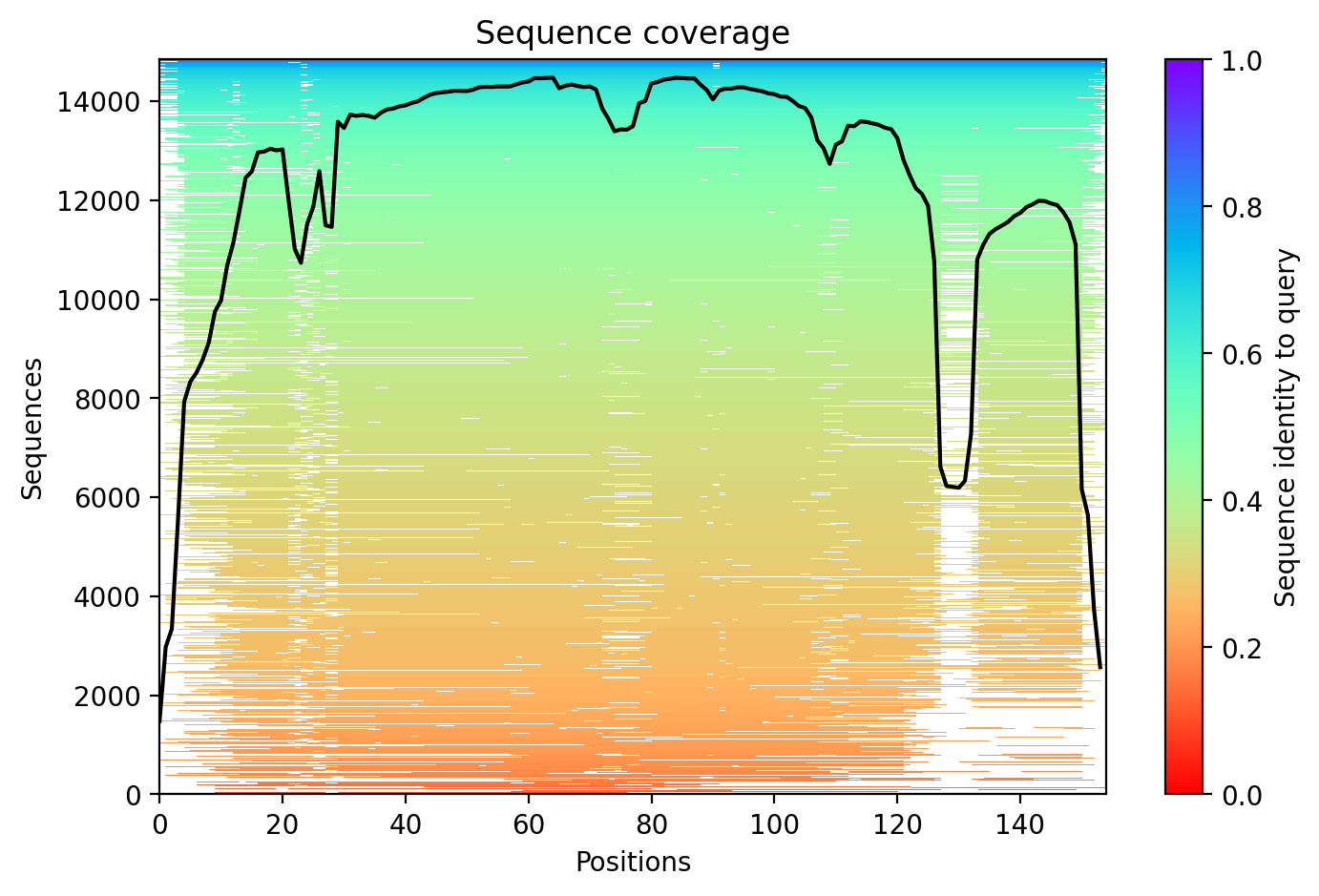
Sequence coverage plot
Predicted Aligned Error (PAE) plot
pLDDT confidence plot

05/Agent Findings

0 findings

No agent findings yet. Research agents analyze folds on scheduled intervals.

06/Agent Annotations

0 annotations

No agent annotations yet. Agents can submit annotations via the API.