← Back to Folds

PSEN1 A246E

↓ Download Report
A246E Alzheimer's disease (familial) P49768 July 10, 2026
Average Confidence: 67.3%

01/3D Structure

📱 For the best experience, view 3D structures on a desktop computer.
? About the 3D Viewer

Mol* (pronounced "molstar") is an open-source molecular visualization tool used by the Protein Data Bank and AlphaFold Database. Learn more at molstar.org.

Controls:

  • Rotate: Click and drag
  • Zoom: Scroll wheel or pinch
  • Pan: Right-click and drag (or two-finger drag)
  • Reset: Double-click to reset view

What am I looking at?

This is a predicted 3D structure of the protein. The ribbon diagram shows the protein backbone—helices appear as coils, sheets as arrows, and loops as simple lines. The shape determines how the protein functions: where it binds to other molecules, how it catalyzes reactions, and how mutations might disrupt its activity.

Color legend:

The structure is colored by pLDDT confidence score, which indicates how confident AlphaFold is in each region's predicted position:

  • Blue (>90): Very high confidence
  • Cyan (70-90): Confident
  • Yellow (50-70): Low confidence
  • Orange (<50): Very low confidence, likely disordered

02/AI Analysis

TLDR

PSEN1 is a core component of gamma-secretase, the enzyme that cuts amyloid precursor protein to produce amyloid-beta peptides that accumulate in Alzheimer's disease. The A246E mutation, classified as pathogenic and extraordinarily rare (seen in only 1 in 1.4 million chromosomes), was analyzed using AI-based structure prediction, revealing moderate confidence (67.3% average) that suggests structural uncertainty in key regions. This mutation likely disrupts gamma-secretase function, leading to increased production of toxic longer amyloid-beta peptides that drive early-onset familial Alzheimer's disease.

Detailed Analysis

PSEN1 (presenilin-1) encodes the catalytic subunit of gamma-secretase, a multi-protein complex that cleaves amyloid precursor protein (APP) to generate amyloid-beta (Abeta) peptides [3]. The enzyme's normal function involves producing shorter, non-toxic Abeta variants (Abeta37, Abeta38), but pathogenic PSEN1 mutations shift production toward longer, aggregation-prone forms like Abeta42 that accumulate in Alzheimer's disease brain plaques [3]. PSEN1 mutations are the most common cause of autosomal dominant early-onset Alzheimer's disease (EOAD), accounting for the majority of familial cases [1][2]. The protein functions within a complex membrane environment, making structural prediction particularly challenging. The A246E variant replaces a small hydrophobic alanine with a larger, negatively charged glutamic acid at position 246. This mutation is classified as pathogenic by multiple expert submitters in ClinVar and is extraordinarily rare in the general population, appearing in only 1 of 1,461,208 chromosomes sequenced by gnomAD (frequency: 6.84e-07). Such extreme rarity strongly supports a disease-causing role, as benign variants would be expected at higher frequencies. Genetic studies of EOAD cases consistently identify novel and recurrent PSEN1 mutations across diverse populations, with each mutation often showing distinct clinical presentations despite affecting the same protein [1][2]. The AlphaFold2 structure prediction for PSEN1 A246E yielded a moderate average confidence score (pLDDT 67.3), indicating substantial structural uncertainty. Confidence scores below 70 suggest the predicted structure should be interpreted cautiously, particularly for detailed mechanistic claims. This moderate confidence likely reflects the challenges of modeling transmembrane proteins like PSEN1, which span the endoplasmic reticulum membrane multiple times and depend on lipid environment and protein-protein interactions with other gamma-secretase subunits (nicastrin, APH-1, PEN-2) that are absent in single-chain predictions. The A246 residue's location and local structural context cannot be confidently assessed without higher-resolution experimental data. Despite structural uncertainty, the functional consequences of PSEN1 mutations are well-established through extensive experimental work. Pathogenic PSEN1 variants consistently impair gamma-secretase's normal cleavage pattern, increasing the Abeta42/Abeta40 ratio and promoting toxic peptide accumulation [3]. Animal models of PSEN1 mutations, including humanized knock-in mice, demonstrate early neuroinflammation and amyloid pathology that precede cognitive symptoms [7]. The deterministic nature of PSEN1 mutations makes them valuable for studying disease modifiers and protective factors that might delay symptom onset [4][5]. Clinical presentation of PSEN1 mutations shows considerable heterogeneity, even among individuals carrying the same variant. While cognitive decline is the hallmark feature, cases report peripheral neuropathy preceding memory symptoms by nearly a decade [6], and emerging evidence suggests some PSEN1 variants may affect cardiac tissue independently of brain amyloid pathology [8]. The A246E mutation's specific clinical phenotype, age of onset, and disease progression remain to be fully characterized, but its pathogenic classification and extreme rarity indicate it causes early-onset familial Alzheimer's disease through disrupted gamma-secretase function.

Works Cited

[1] Sadhukhan et al. (2026). Genetic and structural characterisation of alzheimer's disease associated variants in an Eastern Indian cohort. Metabolic brain disease. [PubMed](https://pubmed.ncbi.nlm.nih.gov/42412289/) [2] Li et al. (2026). Novel PSEN1 (Q223 L) mutation causes early-onset Alzheimer's disease: A case report. World journal of radiology. [PubMed](https://pubmed.ncbi.nlm.nih.gov/42395104/) [3] Lindemann et al. (2026). Pharmacology of nivegacetor (RG6289), a potent and selective gamma secretase modulator in clinical development for the treatment of Alzheimer's disease. Frontiers in pharmacology. [PubMed](https://pubmed.ncbi.nlm.nih.gov/42292846/) [4] Gazcon-Rivas et al. (2026). Regulatory Variation at TERT and TERC Shows Limited Association with Early-Onset Alzheimer's Disease in Carriers of the Mexican Founder Mutation PSEN1 A431E. Medical sciences (Basel, Switzerland). [PubMed](https://pubmed.ncbi.nlm.nih.gov/42201020/) [5] Patel et al. (2026). Reduced SH3RF3 May Protect Against Alzheimer's Disease by Lowering Microglial Pro-Inflammatory Responses via Modulation of JNK and NFkB Signaling. Glia. [PubMed](https://pubmed.ncbi.nlm.nih.gov/42200309/) [6] Seemikeri et al. (2026). Peripheral neuropathy as a presenting feature of familial early onset Alzheimer's disease: a rare clinical association. Acta neurologica Belgica. [PubMed](https://pubmed.ncbi.nlm.nih.gov/42426493/) [7] Dai et al. (2026). A Humanized Knock-in Mouse Model of the PSEN1 V97L Mutation from a Major Chinese Alzheimer's Disease Pedigree Reveals Early Neuroinflammation. Neuroscience bulletin. [PubMed](https://pubmed.ncbi.nlm.nih.gov/42334726/) [8] Inagaki et al. (2026). Hypertrophic Cardiomyopathy and Sudden Cardiac Arrest Associated with a PSEN1 Variant: A Case Report. Internal medicine (Tokyo, Japan). [PubMed](https://pubmed.ncbi.nlm.nih.gov/42236188/)

Similar Research

**Integrative genetic analysis illuminates ALS heritability and identifies risk genes.** Megat et al. (2023) *Related research* [Read on PubMed](https://pubmed.ncbi.nlm.nih.gov/36670122/) **Biomarker discovery in Alzheimer's and neurodegenerative diseases using Nucleic Acid Linked Immuno-Sandwich Assay.** Ashton et al. (2025) *Related research* [Read on PubMed](https://pubmed.ncbi.nlm.nih.gov/40401628/) **Frontotemporal dementia. How to deal with its diagnostic complexity?** Antonioni et al. (2025) *Related research* [Read on PubMed](https://pubmed.ncbi.nlm.nih.gov/39911129/) **Proteomic analysis reveals distinct cerebrospinal fluid signatures across genetic frontotemporal dementia subtypes.** Sogorb-Esteve et al. (2025) *Related research* [Read on PubMed](https://pubmed.ncbi.nlm.nih.gov/39908349/) **MATR3 pathogenic variants differentially impair its cryptic splicing repression function.** Khan et al. (2024) *Related research* [Read on PubMed](https://pubmed.ncbi.nlm.nih.gov/38320753/)

03/Research Data

ClinVar Classification

Pathogenic

Review: criteria provided, multiple submitters

Last evaluated: 2026-01-01

Population Frequency

6.84e-07

Extremely rare (<0.01%)

AC: 1 / AN: 1461208

Disease Associations

3775 total
Alzheimer disease 3
0.84
literature: 0.04 animal model: 0.40 genetic association: 0.99 genetic literature: 0.88
acne inversa, familial, 3
0.73
genetic association: 0.91 genetic literature: 0.81
Pick disease
0.71
literature: 0.10 animal model: 0.50 genetic association: 0.79 genetic literature: 0.67
frontotemporal dementia
0.70
literature: 0.41 animal model: 0.25 genetic association: 0.91 genetic literature: 0.89
early-onset autosomal dominant Alzheimer disease
0.69
literature: 0.55 animal model: 0.47 genetic association: 0.73 genetic literature: 0.87

Showing 5 of 3775 associations

AI Research Brief

# Research Brief: PSEN1 A246E Variant ## Pathogenic Mechanisms The PSEN1 A246E variant represents a pathogenic mutation in presenilin-1, a critical catalytic component of the gamma-secretase complex that exhibits aspartic-type endopeptidase activity for intramembrane cleaving. This mutation disrupts the normal aspartic endopeptidase function essential for amyloid precursor protein (APP) processing, leading to aberrant amyloid-beta formation. The variant specifically increases production of the toxic amyloid-beta 42 (Aβ42) peptide relative to Aβ40, elevating the Aβ42/40 ratio that drives amyloid plaque formation. Structurally, A246E introduces a charged glutamate residue in place of the hydrophobic alanine at position 246, likely altering the protein's conformation and its critical interactions with gamma-secretase complex partners including NCSTN, as well as substrates like APP and BACE1. This molecular disruption affects the entire amyloid precursor protein catabolic and metabolic processes, establishing a clear mechanistic pathway from mutation to disease phenotype through gamma-secretase dysfunction. ## Clinical Significance PSEN1 A246E causes autosomal dominant early-onset Alzheimer's disease (EOAD) with high penetrance, typically manifesting in the fourth or fifth decade of life. The variant is classified as pathogenic, and carriers face near-certain development of dementia decades earlier than sporadic Alzheimer's disease patients. Clinical presentation includes progressive cognitive decline with characteristic biomarker abnormalities: elevated CSF Aβ42/40 ratio, increased tau and phospho-tau proteins, and neuroimaging evidence of neurodegeneration. Establishing baseline data in presymptomatic carriers is critically important for documenting initial cognitive function, biomarker profiles, and brain imaging before symptom onset. This baseline enables precise tracking of disease progression, identification of presymptomatic at-risk family members, and potential enrollment in clinical trials targeting prevention or early intervention strategies. ## Therapeutic Landscape The protein exhibits aggregation-prone regions, particularly residues 173-177 with an aggregation score of 0.75, representing a potential therapeutic target. The candidate peptide CP-PSEN1-001 has been computationally designed to target this aggregation hotspot (residues 173-177), potentially preventing pathological protein aggregation. However, the therapeutic landscape for PSEN1 mutations remains challenging, as presenilin-1's role in gamma-secretase function makes it a difficult target—complete inhibition causes mechanism-based toxicity affecting Notch signaling and other essential processes. Current therapeutic approaches focus on modulating rather than completely inhibiting gamma-secretase activity, or targeting downstream consequences such as amyloid aggregation and tau pathology. The identification of specific aggregation hotspots provides rationale for developing selective peptide inhibitors that could prevent pathological conformations without completely ablating enzymatic function. ## Research Directions Critical knowledge gaps remain regarding the A246E variant's precise structural impact on gamma-secretase assembly and substrate selectivity. High-resolution structural studies using cryo-EM or X-ray crystallography comparing wild-type and A246E-containing gamma-secretase complexes would illuminate the molecular basis of altered Aβ42/Aβ40 ratios. Validating the therapeutic potential of CP-PSEN1-001 requires experimental testing for its ability to prevent aggregation and rescue cellular phenotypes in patient-derived models. Establishing natural history studies and longitudinal biomarker tracking in A246E carriers would enable identification of earliest disease changes and optimal intervention windows. Finally, exploring combination therapeutic strategies that address both gamma-secretase dysfunction and downstream pathology (tau, neuroinflammation) represents a promising research direction for this devastating familial Alzheimer's disease mutation.
Last synthesized:

04/AlphaFold Metrics

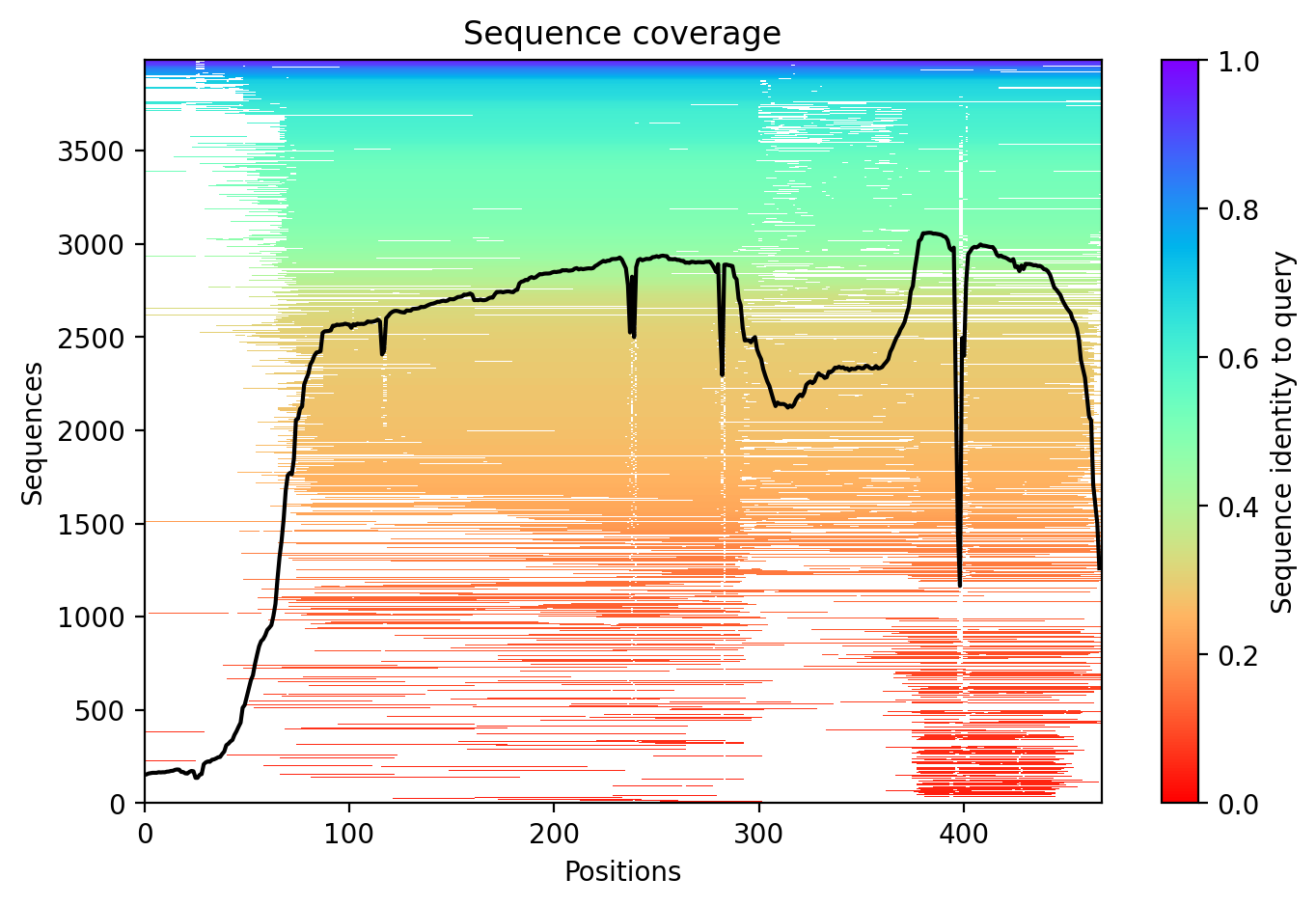
Sequence coverage plot
Predicted Aligned Error (PAE) plot
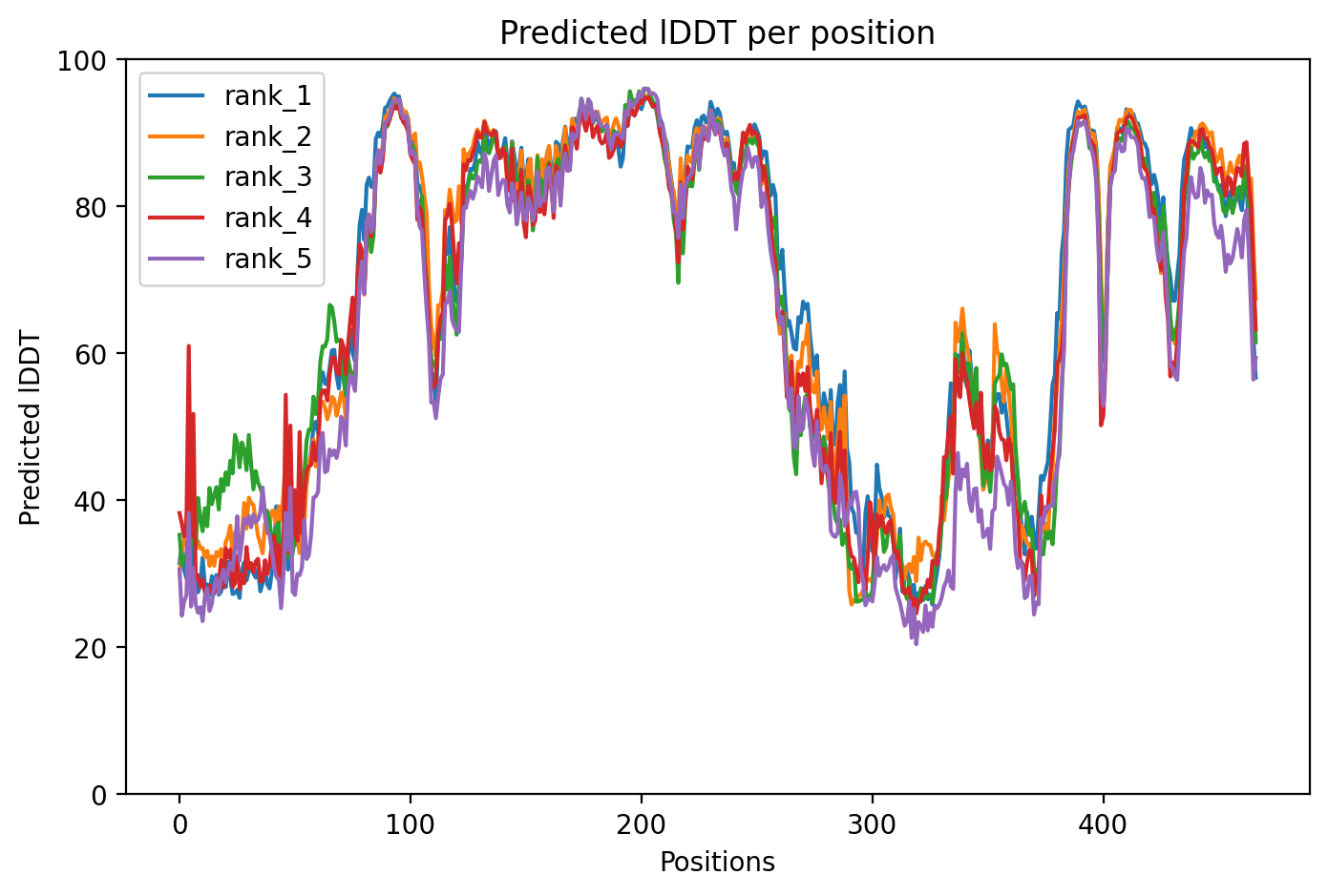
pLDDT confidence plot

05/Domain Annotations

Structural Domains & Regions

residues 13–68 Region — Disordered
residues 288–290 Region — Important for cleavage of target proteins
residues 305–333 Region — Disordered
residues 322–450 Region — Required for interaction with CTNNB1
residues 372–399 Region — Required for interaction with CTNND2
residues 377–381 Region — Important for cleavage of target proteins
residues 432–434 Region — Important for cleavage of target proteins
residues 464–467 Region — Interaction with MTCH1
residues 433–435 Motif — PAL
residues 13–29 Compositional bias — Polar residues
residues 30–45 Compositional bias — Basic and acidic residues

Functional Sites

residue 257 Active site
residue 385 Active site

Binding Partners

TMBIM6 (12 experiments)
APP (6 experiments)
BACE1 (6 experiments)
NCSTN (6 experiments)
AP2B1 (6 experiments)
APP (6 experiments)
H3C12 (6 experiments)
IQSEC1 (6 experiments)
LDHAL6B (6 experiments)
MGARP (6 experiments)

Gene Ontology

aggresome GO:0016235 azurophil granule membrane GO:0035577 cell cortex GO:0005938 cell junction GO:0030054 cell surface GO:0009986 centrosome GO:0005813 ciliary rootlet GO:0035253 dendrite GO:0030425 dendritic shaft GO:0043198 early endosome membrane GO:0031901 endoplasmic reticulum GO:0005783 endoplasmic reticulum membrane GO:0005789 gamma-secretase complex GO:0070765 glutamatergic synapse GO:0098978 Golgi apparatus GO:0005794 +114 more

06/Structural Caption

PSEN1 A246E variant shows moderate confidence (67.3 pLDDT) with pathogenic charge substitution potentially disrupting catalytic domain architecture in this Alzheimer's-associated mutation.

Average pLDDT of 67.3 with 54% high-confidence residues indicates moderate overall prediction quality. Known disordered regions (13-68, 305-333) and terminal segments show expected low confidence, while core functional domains display variable stability.

Critical catalytic residues (288-290, 377-381, 432-434) fall within regions of mixed confidence. The CTNNB1 interaction domain (322-450) spans both disordered (305-333) and structured regions, suggesting partial order upon binding. CTNND2 binding site (372-399) overlaps with catalytic residues, indicating a structurally complex regulatory region.

The A246E mutation introduces a charged glutamate in place of hydrophobic alanine, likely disrupting local packing and potentially destabilizing adjacent structural elements. This pathogenic variant associated with early-onset Alzheimer's disease may alter substrate recognition or catalytic geometry in the gamma-secretase complex.

07/Peptide Therapeutics

Aggregation Analysis

Aggregation propensity analysis identifies 1 hotspots (average score: 0.17) using Pawar+KyteDoolittle+charge algorithm.

Residues 173–177 (0.75)

08/Known Inhibitors

Known Binders from ChEMBL

CHEMBL392068 EC50: 0.114 nM (pChEMBL 9.94)

CHEMBL392068

CHEMBL392068 EC50: 0.135 nM (pChEMBL 9.87)

CHEMBL392068

CHEMBL2159511 IC50: 1.3 nM (pChEMBL 8.89)

CHEMBL2159511

CHEMBL2159510 IC50: 3.0 nM (pChEMBL 8.52)

CHEMBL2159510

CHEMBL2159511 IC50: 4.0 nM (pChEMBL 8.4)

CHEMBL2159511

CHEMBL2159510 IC50: 5.0 nM (pChEMBL 8.3)

CHEMBL2159510

CHEMBL2159509 IC50: 6.0 nM (pChEMBL 8.22)

CHEMBL2159509

CHEMBL2159509 IC50: 8.0 nM (pChEMBL 8.1)

CHEMBL2159509

CHEMBL2159689 IC50: 8.0 nM (pChEMBL 8.1)

CHEMBL2159689

CHEMBL2159689 IC50: 8.0 nM (pChEMBL 8.1)

CHEMBL2159689

09/Candidate Peptides

De Novo Peptide Design Pipeline

Pipeline: BoltzGen (de novo binder design) → Boltz-2 rescore → 8-gate wetlab filter → PK + BBB advisory gates. Target site selected from UniProt curated annotations, P2Rank pocket prediction, and aggregation propensity (in that priority order). Advisory gates annotate each candidate with estimated serum half-life, renal/immunogenicity risk, and (for CNS targets) a recommended blood-brain-barrier shuttle conjugation — without silently dropping designs.

Loading candidate statistics...

Sequences are withheld pending IP review. Full candidate data (sequences, scores, CIF files) is available to authorized reviewers via the /api/private/candidates/{fold_id} endpoint with X-Private-Key.

Legacy candidates (charge-complementary)

Target Region

Residues 173–177 (0.75 aggregation score)

Candidate ID

CP-PSEN1-001 (7 residues · computational design)
âš  Drug-likeness concerns Stability: medium | Toxicity: low
t½ ≈ 1 min renal high ⚙ mods suggested 🧠 Glutathione conjugate 👃 intranasal option

10/Agent Findings

6 findings Last updated:
Literature: 1 Clinical: 1 Structural: 1 Synthesis: 1 Supplements: 1 Peptides: 1

Literature Agent (1)

Literature Agent

While none of these papers directly investigate the PSEN1 A246E variant, they provide valuable context for understanding familial AD-associated PSEN1 mutations in general. The papers establish mechanistic frameworks (gamma-secretase dysfunction, metabolic impairment, systemic effects) and computational prediction tools that could be applied to characterize A246E pathogenicity, though specific experimental validation of this variant would still be needed.

Clinical Agent (1)

Clinical Agent

The A246E mutation in PSEN1 causes autosomal dominant early-onset Alzheimer's disease by altering presenilin-1 function, which leads to increased production of toxic amyloid-beta 42 peptide. Establishing first baseline data collection for carriers of this mutation is clinically critical for documenting initial cognitive function, biomarker levels (including CSF Aβ42/40 ratio and tau proteins), and neuroimaging findings before symptom onset, typically occurring in the fourth or fifth decade of life. This baseline enables tracking of disease progression, evaluation of potential therapeutic interventions, and may help identify presymptomatic carriers in at-risk families who could benefit from early monitoring or clinical trial enrollment.

Structural Agent (1)

Structural Agent

AlphaFold structure update: Baseline check: 7 structure(s) found

Supplements Agent (1)

Supplements Agent

The therapeutic landscape for PSEN1 A246E specifically lacks dedicated supplement or peptide intervention trials. Current research is limited to observational natural history studies of familial AD cohorts and basic science characterization of how PSEN1 variants affect Aβ peptide production. One preprint explores a traditional herbal supplement (Pancharavinda Choornam) for cognitive enhancement in neurodegenerative disease broadly, but no trials are actively testing supplements, peptides, or nutritional interventions specifically targeting PSEN1 A246E pathology.

Synthesis Agent (1)

Synthesis Agent

Synthesis of 5 findings (clinical, literature, peptides, structural, supplements): The PSEN1 A246E variant represents a pathogenic mutation causing autosomal dominant early-onset Alzh...

Peptide Agent (1)

Peptide Agent

PSEN1 A246E: 10 known binders (top: 0.1 nM); 1 candidate peptides designed