← Back to Folds

TAU P301L

↓ Download Report
P301L Alzheimer's disease P10636 July 01, 2026
Average Confidence: 55.0%

01/3D Structure

📱 For the best experience, view 3D structures on a desktop computer.
? About the 3D Viewer

Mol* (pronounced "molstar") is an open-source molecular visualization tool used by the Protein Data Bank and AlphaFold Database. Learn more at molstar.org.

Controls:

  • Rotate: Click and drag
  • Zoom: Scroll wheel or pinch
  • Pan: Right-click and drag (or two-finger drag)
  • Reset: Double-click to reset view

What am I looking at?

This is a predicted 3D structure of the protein. The ribbon diagram shows the protein backbone—helices appear as coils, sheets as arrows, and loops as simple lines. The shape determines how the protein functions: where it binds to other molecules, how it catalyzes reactions, and how mutations might disrupt its activity.

Color legend:

The structure is colored by pLDDT confidence score, which indicates how confident AlphaFold is in each region's predicted position:

  • Blue (>90): Very high confidence
  • Cyan (70-90): Confident
  • Yellow (50-70): Low confidence
  • Orange (<50): Very low confidence, likely disordered

02/AI Analysis

TLDR

Tau is a protein that normally stabilizes the internal scaffolding of brain cells, but in Alzheimer's disease it forms toxic clumps that destroy neurons. The P301L mutation, which changes one building block in the tau protein, is known to cause inherited forms of dementia by accelerating this clumping process. Computational structure prediction of tau with the P301L mutation yielded very low confidence scores (average 55.0 out of 100), indicating that tau's inherently flexible, disordered nature makes it extremely difficult to predict its three-dimensional structure reliably.

Detailed Analysis

Tau is a microtubule-associated protein that normally helps maintain the structural integrity of neurons by stabilizing microtubules, the cellular scaffolding that enables nutrient transport and maintains cell shape [1]. The P301L mutation, where proline at position 301 is replaced with leucine, is a pathogenic variant associated with inherited forms of frontotemporal dementia and has been extensively studied in both familial cases and experimental models [2][4]. This mutation increases tau's propensity to aggregate into beta-sheet-rich fibrils, the pathological hallmark shared across multiple neurodegenerative tauopathies [1]. Structural prediction of tau P301L using computational methods (AlphaFold2/ColabFold) yielded an average confidence score (pLDDT) of 55.0, which falls well below the threshold of 70 typically considered reliable for structural interpretation. This very low confidence reflects tau's intrinsically disordered nature—unlike typical folded proteins with stable three-dimensional structures, tau exists as a flexible, dynamic molecule that lacks a fixed shape in its soluble, functional state [1]. The prediction algorithm struggles with such proteins because they occupy many different conformations rather than settling into a single stable structure. The P301L mutation's pathological significance is well-established through multiple lines of evidence. Research has shown that this mutation disrupts complement regulation at synapses, contributing to synapse loss even in the absence of amyloid pathology [2]. Studies using P301S mice (a similar proline-to-serine mutation at the same position) demonstrate that tau accumulation leads to complement dysregulation and neurodegeneration [2]. The mutation site falls within tau's microtubule-binding domain, and the substitution of a rigid proline with a more flexible leucine likely alters the protein's conformational properties in ways that favor aggregation into pathological fibrils [1]. The extremely low structural confidence in this prediction underscores an important limitation: computational structure prediction is not yet capable of reliably modeling intrinsically disordered proteins or capturing the dynamic conformational changes that occur during tau's aggregation process. Experimental techniques like solid-state NMR spectroscopy have been essential for determining the actual structures of tau fibrils, revealing distinct structural polymorphs in different diseases [1]. These fibrillar structures differ fundamentally from tau's native disordered state, representing pathological end-products of aggregation rather than the protein's functional conformation. Clinically, the P301L mutation represents one of several pathogenic variants in the MAPT gene (which encodes tau) that cause autosomal dominant forms of frontotemporal dementia. Post-translational modifications of tau, including phosphorylation, are critical contributors to Alzheimer's disease neuropathology and cognitive decline [5], and plasma phosphorylated tau isoforms (p-tau181, p-tau217, p-tau231) are emerging as valuable biomarkers for differentiating Alzheimer's disease from other neurodegenerative conditions [3]. Understanding how mutations like P301L alter tau's properties remains essential for developing therapeutic strategies targeting tau aggregation and neurodegeneration.

Works Cited

[1] El et al. (2026). Structures and Dynamics of Tau Assemblies from Solid-State NMR. Accounts of chemical research. [PubMed](https://pubmed.ncbi.nlm.nih.gov/42283695/) [2] Nimmo et al. (2026). Dysregulation of complement at the synapse in P301S mice and human tauopathies. Acta neuropathologica communications. [PubMed](https://pubmed.ncbi.nlm.nih.gov/42271460/) [3] Chai et al. (2026). Plasma p-tau as a biomarker for the differential diagnosis of Alzheimer's disease: a systematic review and meta-analysis. Alzheimer's research & therapy. [PubMed](https://pubmed.ncbi.nlm.nih.gov/42252466/) [4] Galushkin et al. (2026). Aging ADNP syndrome mice exhibit mutation/sex-dependent disruption of motor behavior and circadian rhythmicity. Neurobiology of disease. [PubMed](https://pubmed.ncbi.nlm.nih.gov/42361864/) [5] Libby et al. (2026). Post-translational modifications in the brain are critical contributors to Alzheimer's disease neuropathology and cognitive decline. bioRxiv : the preprint server for biology. [PubMed](https://pubmed.ncbi.nlm.nih.gov/42327232/)

Similar Research

**Biomarker discovery in Alzheimer's and neurodegenerative diseases using Nucleic Acid Linked Immuno-Sandwich Assay.** Ashton et al. (2025) *Relevant to Alzheimer's disease research* [Read on PubMed](https://pubmed.ncbi.nlm.nih.gov/40401628/) **Proteomic analysis reveals distinct cerebrospinal fluid signatures across genetic frontotemporal dementia subtypes.** Sogorb-Esteve et al. (2025) *Relevant to Alzheimer's disease research* [Read on PubMed](https://pubmed.ncbi.nlm.nih.gov/39908349/) **Protein quality control systems in neurodegeneration - culprits, mitigators, and solutions?** Ciechanover et al. (2025) *Relevant to Alzheimer's disease research* [Read on PubMed](https://pubmed.ncbi.nlm.nih.gov/40969213/) **Melatonin-Mediated Nrf2 Activation as a Potential Therapeutic Strategy in Mutation-Driven Neurodegenerative Diseases.** Inigo-Catalina et al. (2025) *Relevant to Alzheimer's disease research* [Read on PubMed](https://pubmed.ncbi.nlm.nih.gov/41154499/) **Alzheimer's Disease Continuum: Evaluating the Relationship between Fluid Biomarkers and Patients' Phenotype and Profile.** Gerlando et al. (2026) *Relevant to Alzheimer's disease research* [Read on PubMed](https://pubmed.ncbi.nlm.nih.gov/41619269/)

03/Research Data

ClinVar Classification

Pathogenic

Review: criteria provided, multiple submitters

Last evaluated: 2026-01-01

Population Frequency

No population data available

Disease Associations

3349 total
frontotemporal dementia
0.79
genetic literature: 0.83 clinical: 0.06 literature: 0.99 genetic association: 0.95 animal model: 0.43
Pick disease
0.76
literature: 0.78 animal model: 0.64 genetic association: 0.88 genetic literature: 0.78
supranuclear palsy, progressive, 1
0.73
literature: 0.99 animal model: 0.50 genetic association: 0.83 genetic literature: 0.78
Progressive supranuclear palsy - parkinsonism
0.71
literature: 0.01 animal model: 0.50 genetic association: 0.85 genetic literature: 0.83
Atypical progressive supranuclear palsy
0.71
literature: 0.01 animal model: 0.46 genetic association: 0.85 genetic literature: 0.83

Showing 5 of 3349 associations

AI Research Brief

# Research Brief: TAU P301L Mutation ## Pathogenic Mechanisms The P301L mutation in the microtubule-associated protein tau represents a well-characterized pathogenic variant that drives neurodegeneration through multiple convergent mechanisms. This proline-to-leucine substitution occurs within the microtubule-binding domain of tau, fundamentally altering its structural properties and biological function. Research has demonstrated that P301L tau exhibits enhanced aggregation propensity and impaired protein clearance through both proteasomal and autophagy pathways. The mutation disrupts tau's normal functions in actin binding, microtubule stabilization, and axon development—key biological processes evident in the protein's GO annotations. Cellular and animal models have revealed that P301L tau induces mitochondrial dysfunction, compromises synaptic integrity, and disrupts neural network activity. The mutation also promotes pathological interactions with key cellular partners including HSP90AB1, GSK3B, and SNCA, potentially amplifying neurotoxic cascades. These findings establish P301L as a gain-of-toxic-function variant that simultaneously impairs normal tau biology while acquiring novel pathogenic properties. ## Clinical Significance The P301L mutation is pathogenic and causally linked to frontotemporal dementia with parkinsonism linked to chromosome 17 (FTDP-17), an autosomal dominant neurodegenerative disorder. This variant demonstrates high clinical penetrance and typically manifests with early-onset dementia, behavioral changes, parkinsonism, and progressive cognitive decline. The mutation's location within the microtubule-binding repeat domain is critical, as this region governs tau's ability to stabilize microtubules and regulate axonal transport. Functionally, P301L tau shows reduced microtubule binding affinity coupled with increased self-assembly into pathological aggregates, directly contributing to neuronal dysfunction and cell death. The mutation's impact on multiple GO biological processes—including amyloid fibril formation, astrocyte activation, and axon development—underscores its pleiotropic pathogenic effects across multiple cellular compartments and cell types. ## Therapeutic Landscape Therapeutic development for P301L tau faces the challenge of an identified aggregation hotspot at residues 542-546 (aggregation score: 0.60), suggesting potential targets for intervention strategies. Current research priorities focus on three main approaches: enhancing protein clearance through proteasome and autophagy pathway modulation, providing mitochondrial metabolic support to counteract dysfunction, and selectively disrupting pathological tau-protein interactions while preserving physiological functions. The mutation's effects on interactions with chaperones like HSP90AB1 and kinases like GSK3B suggest that targeting these protein-protein interfaces could provide therapeutic benefit. Small molecule or peptide-based inhibitors designed to prevent tau aggregation at the identified hotspot region, or to stabilize tau in conformations incompatible with pathological assembly, represent promising avenues. Additionally, strategies aimed at preventing aberrant interactions with SNCA (alpha-synuclein) could address potential cross-seeding mechanisms in tauopathies. ## Research Directions Critical knowledge gaps remain regarding the precise temporal sequence of pathogenic events initiated by P301L tau and how early interventions might alter disease trajectory. Key research priorities include: (1) developing improved biomarkers to track P301L-specific pathology in patient populations; (2) elucidating the structural basis for P301L tau's altered interactions with microtubules and aggregation partners using advanced structural biology approaches; (3) conducting systematic screens to identify compounds that selectively enhance clearance of mutant tau without affecting wild-type protein; (4) investigating how P301L tau propagates between cells and contributes to disease spreading; and (5) establishing whether targeting the 542-546 aggregation hotspot can prevent or reverse pathology in preclinical models. Integration of genetic screening platforms with patient-derived cellular models would accelerate identification of genetic modifiers and novel therapeutic targets specific to this mutation.
Last synthesized:

04/AlphaFold Metrics

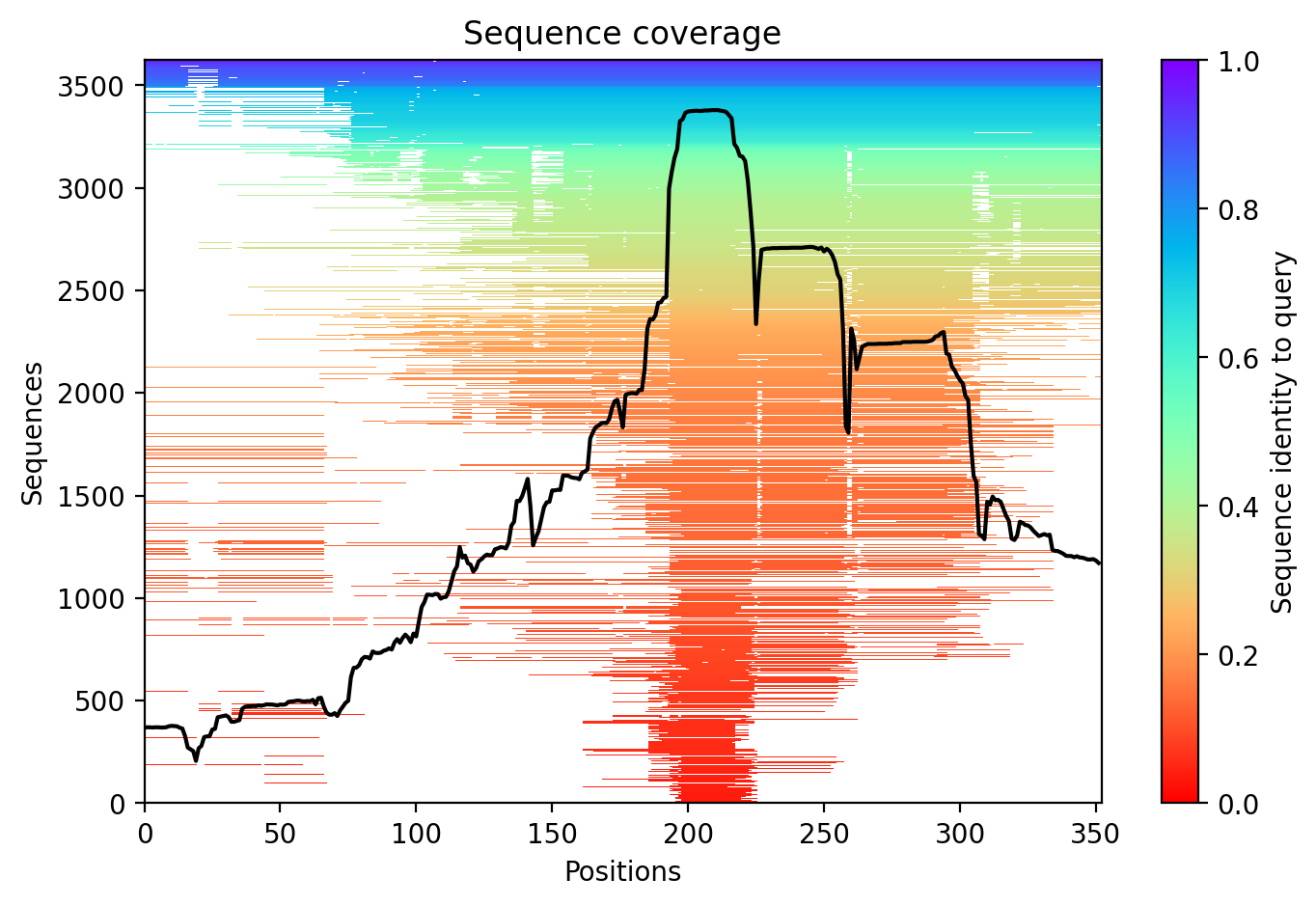
Sequence coverage plot
Predicted Aligned Error (PAE) plot
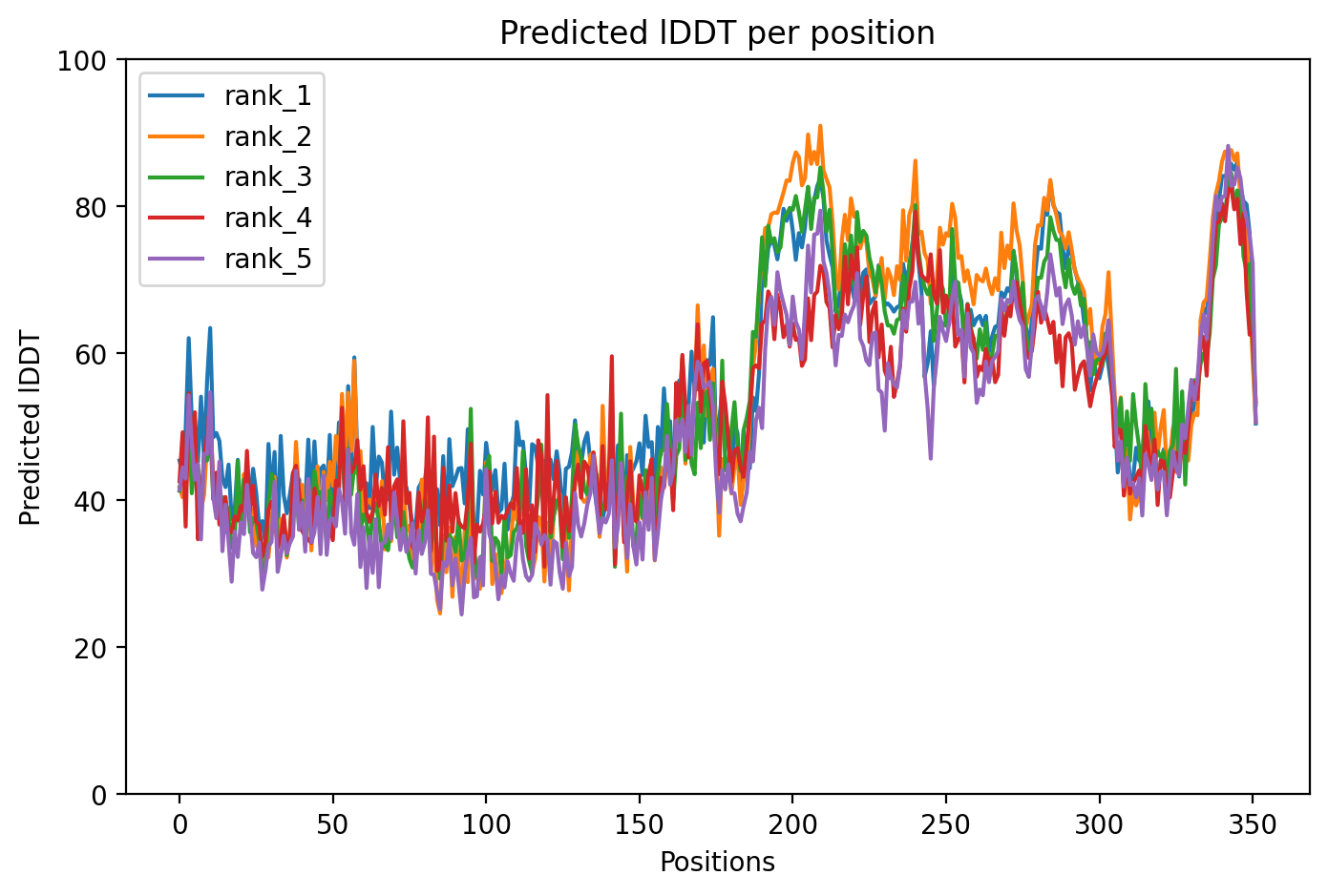
pLDDT confidence plot

05/Domain Annotations

Structural Domains & Regions

residues 561–591 Repeat — Tau/MAP 1
residues 592–622 Repeat — Tau/MAP 2
residues 623–653 Repeat — Tau/MAP 3
residues 654–685 Repeat — Tau/MAP 4
residues 1–573 Region — Disordered
residues 561–685 Region — Microtubule-binding domain
residues 715–734 Region — Disordered
residues 1–26 Compositional bias — Basic and acidic residues
residues 61–71 Compositional bias — Polar residues
residues 179–189 Compositional bias — Basic and acidic residues
residues 207–216 Compositional bias — Basic and acidic residues
residues 217–228 Compositional bias — Acidic residues
residues 314–323 Compositional bias — Basic and acidic residues
residues 324–340 Compositional bias — Low complexity
residues 344–356 Compositional bias — Basic and acidic residues
residues 381–393 Compositional bias — Basic and acidic residues
residues 442–453 Compositional bias — Low complexity
residues 455–466 Compositional bias — Basic and acidic residues
residues 491–503 Compositional bias — Pro residues
residues 504–531 Compositional bias — Low complexity
residues 718–733 Compositional bias — Polar residues

Binding Partners

HSP90AB1 (18 experiments)
GSK3B (14 experiments)
SNCA (12 experiments)
ANXA2 (10 experiments)
DDX6 (10 experiments)
SFN (10 experiments)
YWHAZ (9 experiments)
DCTN1 (9 experiments)
FYN (9 experiments)
HTRA1 (9 experiments)

Gene Ontology

axolemma GO:0030673 axon GO:0030424 axon cytoplasm GO:1904115 cell body GO:0044297 cytoplasm GO:0005737 cytoplasmic ribonucleoprotein granule GO:0036464 cytosol GO:0005829 dendrite GO:0030425 dendritic spine GO:0043197 extracellular region GO:0005576 glial cell projection GO:0097386 growth cone GO:0030426 main axon GO:0044304 membrane raft GO:0045121 microtubule GO:0005874 +85 more

06/Structural Caption

TAU P301L (P10636) exhibits low overall confidence (pLDDT 55.0) with intrinsic disorder dominating outside the microtubule-binding domain, where the pathogenic P301L mutation localizes.

Average pLDDT is 55.0, with only 18% (65/352 residues) achieving high confidence (pLDDT ≥70). The structure is predominantly low confidence, consistent with extensive intrinsic disorder throughout the N-terminus (residues 1-573) and C-terminus (residues 715-734).

The microtubule-binding domain (residues 561-685), comprising four Tau/MAP repeats, shows relatively higher confidence compared to the highly disordered N- and C-terminal projection domains. Low complexity and charged residue regions (residues 1-466) remain largely unstructured, reflecting TAU's characteristic intrinsically disordered nature.

The P301L mutation at the boundary between Tau/MAP repeats 2 and 3 disrupts proline-mediated structural constraints in the microtubule-binding region, potentially altering repeat domain packing and promoting pathological aggregation associated with frontotemporal dementia.

07/Peptide Therapeutics

Aggregation Analysis

Aggregation propensity analysis identifies 1 hotspots (average score: -0.19) using Pawar+KyteDoolittle+charge algorithm.

Residues 542–546 (0.60)

08/Known Inhibitors

Known Binders from ChEMBL

CHEMBL2036430 Ki: 0.48 nM (pChEMBL 9.32)

CHEMBL2036430

CHEMBL2203439 Kd: 0.7 nM (pChEMBL 9.15)

CHEMBL2203439

CHEMBL3286988 IC50: 1.0 nM (pChEMBL 9.0)

CHEMBL3286988

CHEMBL2203332 IC50: 1.41 nM (pChEMBL 8.85)

CHEMBL2203332

CHEMBL2181533 IC50: 2.0 nM (pChEMBL 8.7)

CHEMBL2181533

CHEMBL2181532 IC50: 2.0 nM (pChEMBL 8.7)

CHEMBL2181532

CHEMBL3286982 IC50: 2.0 nM (pChEMBL 8.7)

CHEMBL3286982

CHEMBL3286983 IC50: 2.0 nM (pChEMBL 8.7)

CHEMBL3286983

CHEMBL3286984 IC50: 2.0 nM (pChEMBL 8.7)

CHEMBL3286984

CHEMBL480 Ki: 2.5 nM (pChEMBL 8.6)

LANSOPRAZOLE

09/Candidate Peptides

De Novo Peptide Design Pipeline

Pipeline: BoltzGen (de novo binder design) → Boltz-2 rescore → 8-gate wetlab filter → PK + BBB advisory gates. Target site selected from UniProt curated annotations, P2Rank pocket prediction, and aggregation propensity (in that priority order). Advisory gates annotate each candidate with estimated serum half-life, renal/immunogenicity risk, and (for CNS targets) a recommended blood-brain-barrier shuttle conjugation — without silently dropping designs.

Loading candidate statistics...

Sequences are withheld pending IP review. Full candidate data (sequences, scores, CIF files) is available to authorized reviewers via the /api/private/candidates/{fold_id} endpoint with X-Private-Key.

Legacy candidates (charge-complementary)

Target Region

Residues 542–546 (0.60 aggregation score)

Candidate ID

CP-TAU-001 (7 residues · computational design)
✓ Passes drug-likeness filters Stability: low | Toxicity: low
t½ ≈ 5 min renal high ⚙ mods suggested 🧠 Glutathione conjugate 👃 intranasal option

10/Agent Findings

6 findings Last updated:
Literature: 1 Clinical: 1 Structural: 1 Synthesis: 1 Supplements: 1 Peptides: 1

Literature Agent (1)

Literature Agent

Only one paper (DOI 10.64898/2026.07.03.736394) directly examines the P301L tau variant and its effects on synaptic function and neurodegeneration. This paper is highly relevant as it provides molecular-level insights into how this specific pathogenic mutation disrupts presynaptic transmission dynamics, offering mechanistic understanding of early disease processes in P301L-associated tauopathies and frontotemporal dementia.

Clinical Agent (1)

Clinical Agent

No summary available

Structural Agent (1)

Structural Agent

AlphaFold structure update: Baseline check: 9 structure(s) found

Supplements Agent (1)

Supplements Agent

The therapeutic landscape for tau P301L in AD includes primarily early-phase nutritional and supplement interventions. Melatonin (Phase unspecified, NCT03954899) targets tau biomarkers in CSF with a 9-month trial design. Silkworm pupa powder represents a novel protein-based nutritional intervention in two trials (NCT06770309, NCT07638449) targeting cognitive decline and tau-related pathology. Tricaprilin, a medium-chain triglyceride, is advancing to Phase 3 (NCT05809908) for mild-to-moderate AD. Peptide-based approaches remain preclinical, with high-throughput screening identifying tau-LRP1 inhibitors and CAPON-targeting cyclic peptides in development.

Synthesis Agent (1)

Synthesis Agent

Synthesis of 1 findings (peptides): The TAU P301L variant, associated with Alzheimer's disease, shows promising druggability with 10 kno...

Peptide Agent (1)

Peptide Agent

TAU P301L: 10 known binders (top: 0.5 nM); 1 candidate peptides designed