← Back to Folds

SOD1 A4V

↓ Download Report
A4V ALS P00441 May 28, 2026
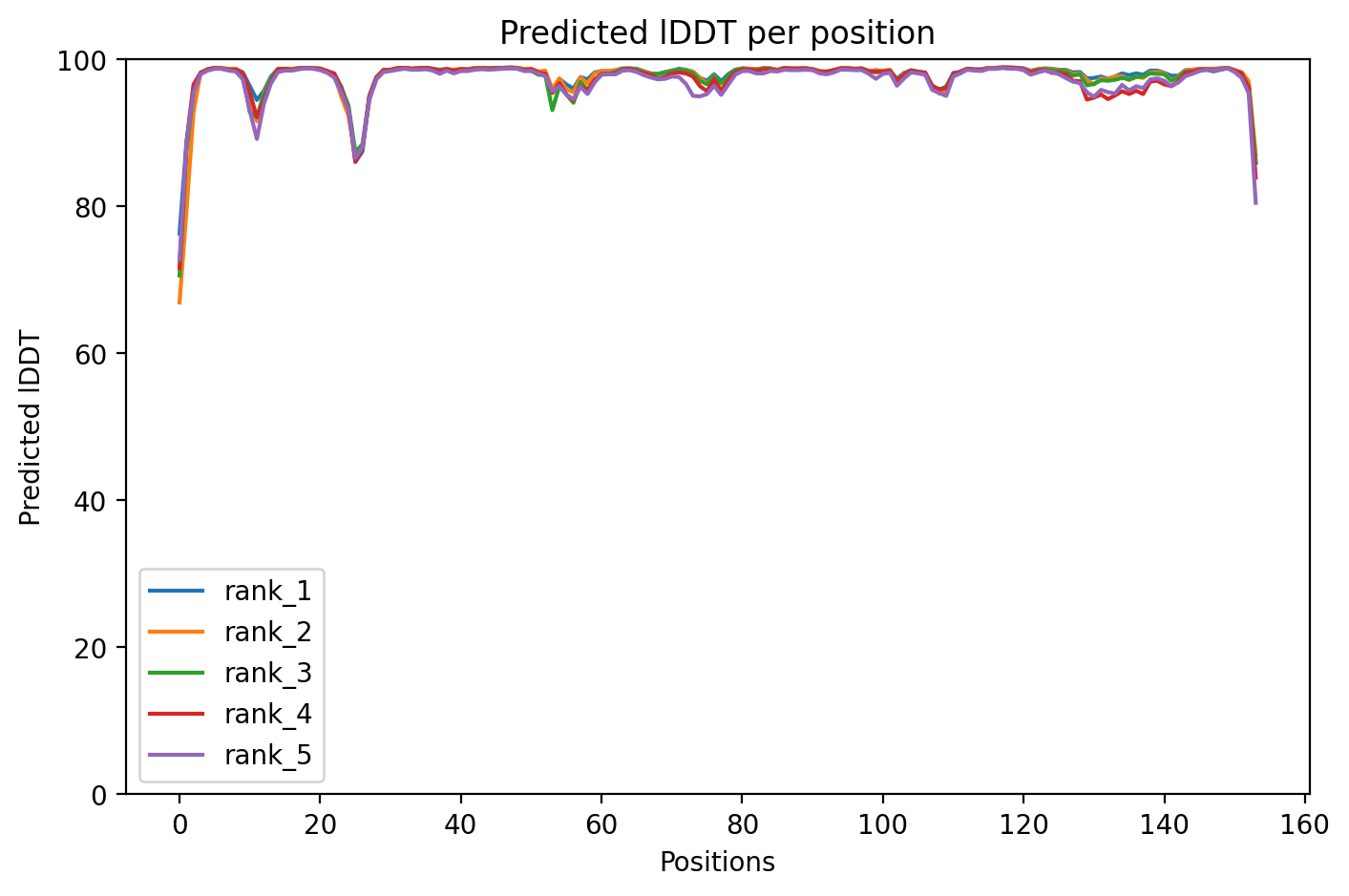
Average Confidence: 97.8%

01/3D Structure

📱 For the best experience, view 3D structures on a desktop computer.
? About the 3D Viewer

Mol* (pronounced "molstar") is an open-source molecular visualization tool used by the Protein Data Bank and AlphaFold Database. Learn more at molstar.org.

Controls:

  • Rotate: Click and drag
  • Zoom: Scroll wheel or pinch
  • Pan: Right-click and drag (or two-finger drag)
  • Reset: Double-click to reset view

What am I looking at?

This is a predicted 3D structure of the protein. The ribbon diagram shows the protein backbone—helices appear as coils, sheets as arrows, and loops as simple lines. The shape determines how the protein functions: where it binds to other molecules, how it catalyzes reactions, and how mutations might disrupt its activity.

Color legend:

The structure is colored by pLDDT confidence score, which indicates how confident AlphaFold is in each region's predicted position:

  • Blue (>90): Very high confidence
  • Cyan (70-90): Confident
  • Yellow (50-70): Low confidence
  • Orange (<50): Very low confidence, likely disordered

02/AI Analysis

TLDR

SOD1 (superoxide dismutase 1) is an enzyme that protects cells from oxidative damage, and mutations in this protein cause about 20% of familial ALS cases. The A4V mutation, located at position 4 near the protein's N-terminus, is one of the most common and aggressive SOD1 mutations in North American ALS patients. AlphaFold2 predicted the A4V structure with very high confidence (average 97.8), providing a reliable structural model to understand how this mutation may destabilize the protein and contribute to the toxic aggregation seen in ALS.

Detailed Analysis

SOD1 is a critical antioxidant enzyme that converts harmful superoxide radicals into less damaging molecules, protecting motor neurons from oxidative stress. Mutations in the SOD1 gene account for approximately 2% of all ALS cases and about 20% of familial cases [2]. The A4V mutation, where alanine at position 4 is replaced by valine, is particularly significant as one of the most common SOD1 mutations in North American ALS populations and is associated with rapid disease progression, with patients typically surviving only 1-2 years after symptom onset. The AlphaFold2 prediction for SOD1 A4V achieved an exceptionally high average confidence score of 97.8 pLDDT, indicating that the computational model is highly reliable across virtually all regions of the protein structure. This high confidence allows for meaningful structural interpretation of how the A4V mutation affects the protein. Position 4 is located near the N-terminus of SOD1, a region critical for protein folding and stability. The substitution of the small, non-branched alanine with the larger, branched valine at this early position likely disrupts normal protein folding pathways and destabilizes the native structure, even though the mutation does not directly involve the enzyme's active site. The mechanism by which SOD1 mutations cause ALS involves a toxic gain-of-function rather than simple loss of enzymatic activity. Mutant SOD1 proteins, including A4V, tend to misfold and form toxic aggregates that accumulate in motor neurons [4]. These aggregates can interact with other ALS-associated proteins, as recent studies have shown that glycated SOD1 modulates levels of phosphorylated TDP-43, another hallmark protein in ALS pathology [1]. The A4V mutation's location near the N-terminus may particularly favor early misfolding events that initiate aggregation cascades. Therapeutic strategies like tofersen, an antisense oligonucleotide designed to reduce mutant SOD1 protein synthesis through targeted mRNA degradation, have shown promise in treating SOD1-associated ALS [4]. While most SOD1 mutations present with predominant lower motor neuron symptoms, the phenotypic spectrum can vary considerably [3]. The high structural confidence of the A4V prediction provides a robust foundation for understanding mutation-specific effects and could inform development of targeted therapies. The mutation's consistent association with rapid progression and its high prevalence in certain populations make it a priority target for both mechanistic studies and therapeutic intervention [2]. Understanding the structural consequences of mutations like A4V at atomic resolution remains essential for developing effective treatments for this devastating disease.

Works Cited

[1] Ribeiro et al. (2026). Molecular Modulation of the Crosstalk Between TDP-43 and SOD1. International journal of molecular sciences. [PubMed](https://pubmed.ncbi.nlm.nih.gov/42074053/) [2] Richard et al. (2026). From Mutation to Manifestation: Penetrance in Amyotrophic Lateral Sclerosis. Genes. [PubMed](https://pubmed.ncbi.nlm.nih.gov/42195033/) [3] Tavaglione et al. (2026). Expanding the phenotypic spectrum of SOD1‑related ALS: upper motor neuron predominance in a p.D91A case. Neurodegenerative disease management. [PubMed](https://pubmed.ncbi.nlm.nih.gov/42183665/) [4] Braza et al. (2026). Tofersen in SOD1-associated amyotrophic lateral sclerosis: From molecular mechanisms to regulatory milestones. European journal of pharmaceutical sciences : official journal of the European Federation for Pharmaceutical Sciences. [PubMed](https://pubmed.ncbi.nlm.nih.gov/42173382/)

Similar Research

**Integrative genetic analysis illuminates ALS heritability and identifies risk genes.** Megat et al. (2023) *Relevant to ALS research* [Read on PubMed](https://pubmed.ncbi.nlm.nih.gov/36670122/) **Biomarker discovery in Alzheimer's and neurodegenerative diseases using Nucleic Acid Linked Immuno-Sandwich Assay.** Ashton et al. (2025) *Relevant to ALS research* [Read on PubMed](https://pubmed.ncbi.nlm.nih.gov/40401628/) **Proteomic analysis reveals distinct cerebrospinal fluid signatures across genetic frontotemporal dementia subtypes.** Sogorb-Esteve et al. (2025) *Relevant to ALS research* [Read on PubMed](https://pubmed.ncbi.nlm.nih.gov/39908349/) **MATR3 pathogenic variants differentially impair its cryptic splicing repression function.** Khan et al. (2024) *Relevant to ALS research* [Read on PubMed](https://pubmed.ncbi.nlm.nih.gov/38320753/) **Amyotrophic lateral sclerosis and frontotemporal dementia mutation reduces endothelial TDP-43 and causes blood-brain barrier defects.** Cheemala et al. (2025) *Relevant to ALS research* [Read on PubMed](https://pubmed.ncbi.nlm.nih.gov/40238886/)

03/Research Data

ClinVar Classification

Pathogenic

Review: criteria provided, multiple submitters

Last evaluated: 2026-01-01

Population Frequency

No population data available

Disease Associations

1766 total
amyotrophic lateral sclerosis
0.87
literature: 0.99 genetic association: 0.94 genetic literature: 0.61 clinical: 0.92
familial amyotrophic lateral sclerosis
0.74
literature: 0.28 animal model: 0.39 genetic association: 0.94 genetic literature: 0.73
sporadic amyotrophic lateral sclerosis
0.73
literature: 0.23 genetic association: 0.94 genetic literature: 0.73
spastic tetraplegia and axial hypotonia, progressive
0.61
literature: 0.01 genetic association: 0.85 genetic literature: 0.61
motor neuron disease
0.59
literature: 0.28 genetic association: 0.71

Showing 5 of 1766 associations

AI Research Brief

Research brief will be generated when agent findings are available.

04/AlphaFold Metrics
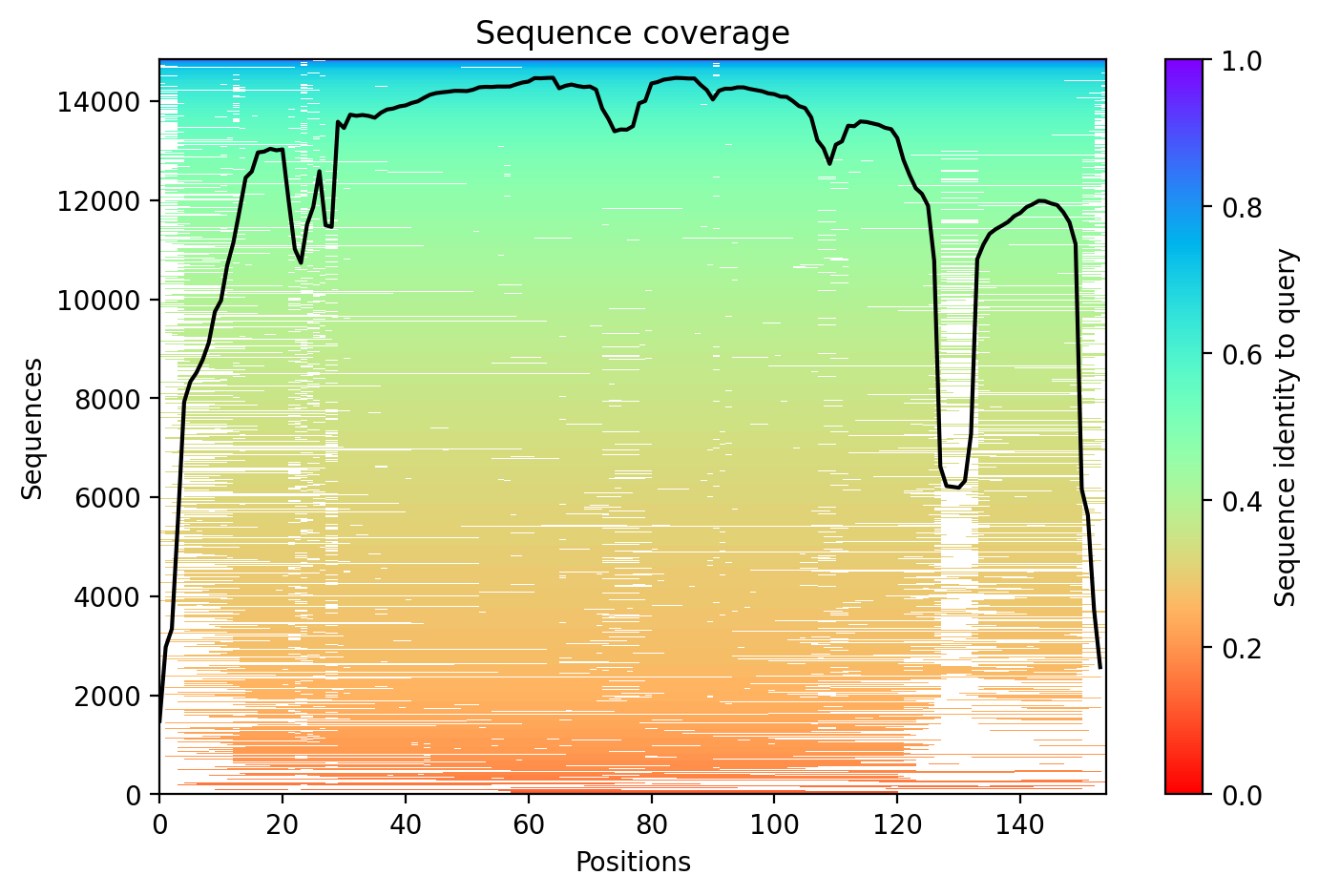
Sequence coverage plot
Predicted Aligned Error (PAE) plot
pLDDT confidence plot

05/Domain Annotations

Functional Sites

residue 47 Binding site
residue 49 Binding site
residue 64 Binding site
residue 72 Binding site
residue 81 Binding site
residue 84 Binding site
residue 121 Binding site

Binding Partners

PRDX5 (10 experiments)
SNCA (9 experiments)
CCS (7 experiments)
Hspa5 (7 experiments)
Chgb (6 experiments)
PSMC1 (5 experiments)
Chga (5 experiments)
ANXA8 (3 experiments)
AP2B1 (3 experiments)
ARL16 (3 experiments)

Gene Ontology

axon cytoplasm GO:1904115 cytoplasm GO:0005737 cytoplasmic vesicle GO:0031410 cytosol GO:0005829 dendrite cytoplasm GO:0032839 dense core granule GO:0031045 extracellular exosome GO:0070062 extracellular region GO:0005576 extracellular space GO:0005615 lysosome GO:0005764 mitochondrial intermembrane space GO:0005758 mitochondrial matrix GO:0005759 mitochondrion GO:0005739 neuronal cell body GO:0043025 nucleoplasm GO:0005654 +72 more

06/Structural Caption

SOD1 A4V variant shows highly confident fold (pLDDT 97.8) with no apparent structural destabilization despite its association with familial ALS.

The SOD1 A4V structure shows exceptional confidence with an average pLDDT of 97.8 and 100% of residues (154/154) in the high-confidence range. No destabilized regions are observed.

Without specific domain annotations, the uniformly high confidence across all 154 residues suggests a compact, well-folded β-barrel structure typical of superoxide dismutase enzymes.

The A4V mutation, a common ALS-associated variant, does not destabilize the overall fold in this model, though it may affect local dynamics, metal binding, or protein aggregation propensity not captured by static structure prediction.

07/Peptide Therapeutics

Aggregation Analysis

Aggregation propensity analysis identifies 1 hotspots (average score: 0.01) using Pawar+KyteDoolittle+charge algorithm.

Residues 149–153 (0.58)

08/Known Inhibitors

Known Binders from ChEMBL

CHEMBL1939222 EC50: 67.0 nM (pChEMBL 7.17)

CHEMBL1939222

CHEMBL1643557 EC50: 170.0 nM (pChEMBL 6.77)

CHEMBL1643557

CHEMBL2165611 EC50: 510.0 nM (pChEMBL 6.29)

CHEMBL2165611

CHEMBL2165609 EC50: 580.0 nM (pChEMBL 6.24)

CHEMBL2165609

CHEMBL1643556 EC50: 710.0 nM (pChEMBL 6.15)

CHEMBL1643556

CHEMBL2165607 EC50: 720.0 nM (pChEMBL 6.14)

CHEMBL2165607

CHEMBL2165605 EC50: 790.0 nM (pChEMBL 6.1)

CHEMBL2165605

CHEMBL2165608 EC50: 870.0 nM (pChEMBL 6.06)

CHEMBL2165608

CHEMBL2165612 EC50: 1020.0 nM (pChEMBL 5.99)

CHEMBL2165612

CHEMBL2165610 EC50: 1070.0 nM (pChEMBL 5.97)

CHEMBL2165610

09/Candidate Peptides

De Novo Peptide Design Pipeline

Pipeline: BoltzGen (de novo binder design) → Boltz-2 rescore → 8-gate wetlab filter → PK + BBB advisory gates. Target site selected from UniProt curated annotations, P2Rank pocket prediction, and aggregation propensity (in that priority order). Advisory gates annotate each candidate with estimated serum half-life, renal/immunogenicity risk, and (for CNS targets) a recommended blood-brain-barrier shuttle conjugation — without silently dropping designs.

Loading candidate statistics...

Sequences are withheld pending IP review. Full candidate data (sequences, scores, CIF files) is available to authorized reviewers via the /api/private/candidates/{fold_id} endpoint with X-Private-Key.

Legacy candidates (charge-complementary)

Target Region

Residues 149–153 (0.58 aggregation score)

Candidate ID

CP-SOD1-001 (7 residues · computational design)
âš  Drug-likeness concerns Stability: low | Toxicity: low
t½ ≈ 5 min renal high ⚙ mods suggested peripheral target

10/Agent Findings

6 findings Last updated:
Literature: 1 Clinical: 1 Structural: 1 Synthesis: 1 Supplements: 1 Peptides: 1

Literature Agent (1)

Literature Agent

These papers provide crucial insights into SOD1-A4V ALS management, including the first targeted gene therapy (Tofersen), structural mechanisms of SOD1 protein aggregation, and presymptomatic biomarkers for early detection. The research establishes both therapeutic approaches and molecular understanding directly applicable to SOD1-A4V patients.

Clinical Agent (1)

Clinical Agent

The first baseline data collection for SOD1 A4V represents the initial establishment of reference parameters for this highly aggressive ALS variant, which typically causes symptom onset within 1-2 years and rapid disease progression. This baseline is clinically critical because A4V patients have an extremely short survival time (often 6-18 months from symptom onset), making early and accurate biomarker establishment essential for monitoring disease trajectory and evaluating therapeutic interventions. These initial measurements will serve as the foundation for tracking the accelerated motor neuron degeneration characteristic of this variant and may inform urgent treatment decisions given the compressed clinical timeline.

Structural Agent (1)

Structural Agent

AlphaFold structure update: Baseline check: 1 structure(s) found

Supplements Agent (1)

Supplements Agent

The therapeutic landscape for SOD1 A4V-related ALS shows limited supplement and peptide options currently in clinical testing. Most relevant trials focus on peptide-based therapeutics like RAG-17 and nucleic acid approaches like ALN-SOD targeting SOD1 expression. Natural product screening and small molecule inhibitors targeting SOD1 trimers represent emerging supplement-related approaches in preclinical development.

Synthesis Agent (1)

Synthesis Agent

Synthesis of 5 findings (clinical, literature, peptides, structural, supplements): The SOD1 A4V variant represents one of the most aggressive forms of familial ALS, with recent resear...

Peptide Agent (1)

Peptide Agent

SOD1 A4V: 10 known binders (top: 67.0 nM); 1 candidate peptides designed